No products in the cart.
Quick answer
Ductwork can cause uneven temperatures, especially when airflow is weak
Leaky, damaged, or poorly insulated ducts can leave some rooms harder to heat or cool. A restricted return-air path can also disrupt circulation. But a hot or cold room alone does not establish a duct fault: sunlight, windows, insulation, and equipment operation matter too. Start by checking whether the affected room receives noticeably less air while the system runs.
Start with the room that bothers you most. Does it become uncomfortable in the afternoon, overnight with the door closed, or whenever the heating or cooling runs? Write down that pattern before changing any settings.
Which systems does this guide cover? These checks apply mainly to central heating and cooling systems that distribute air through ducts, including ducted furnaces, air conditioners, and heat pumps. If the affected room uses radiators, baseboard heat, or a ductless unit, the duct checks here will not apply to that equipment.
Notice when it happens
Track the room-temperature pattern first
Note which rooms feel different, whether the issue happens during heating, cooling, or both, and how long the system has been running. Record thermostat settings and whether the difference changes with outdoor weather, direct sun, or a bedroom door being open or closed.
If you use a room thermometer, place it away from supply vents, windows, direct sunlight, and exterior doors. Compare rooms at similar times and under similar system conditions. A quick reading taken in a draft or right after opening a door may not represent the room's usual temperature.
Check visible, accessible items
Look for simple airflow restrictions
- Supply registers: Make sure furniture, rugs, curtains, or closed louvers are not blocking the room's supply vent.
- Return grilles: Keep return-air grilles clear of furniture and curtains so air can flow back to the system.
- Air filter: If the filter is in a normal homeowner-accessible slot, inspect it and follow the equipment manual for replacement. Use the specified size and type. ENERGY STAR's HVAC maintenance checklist includes regular filter checks as a homeowner maintenance task.
- Door position: Compare the room with its door open and closed under similar conditions. Note whether its temperature or airflow changes.
- Thermostat settings: Confirm the system is in the intended heating or cooling mode and check whether a schedule or fan setting changes when the system runs.
Why a closed door can change the room's comfort
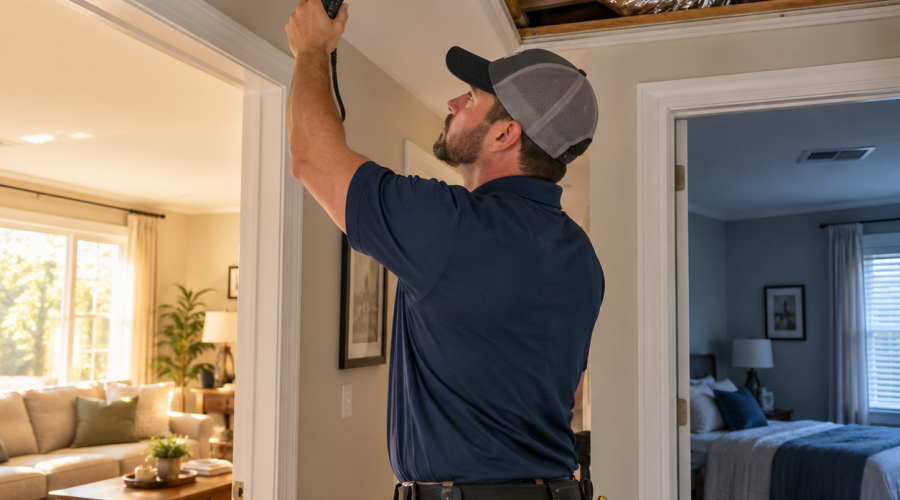
The supply vent delivers heated or cooled air into the room. That air also needs a route back to the system through a return grille. In some homes, the main return is in a hallway, so closing a bedroom door can restrict that route. Pressure can build in the room and reduce incoming airflow even though its supply vent is open.
This is why opening the door may help without fixing the underlying arrangement. A technician can check whether the room needs a dedicated return or another designed air passage. The Building America Solution Center's guide to return-air pathways explains how transfer grilles and other arrangements let air move back toward a central return.
Avoid closing many registers to force air into one room; that can affect system airflow and pressure. Do not remove equipment panels or reach inside ducts to look for a damper.
When ductwork may be involved
What signs can point toward a duct or airflow problem?
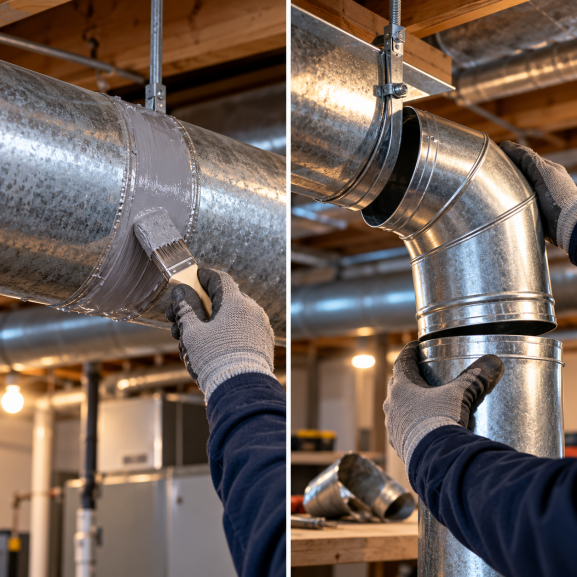
Ductwork is one possibility when a single room consistently receives much less air than similar rooms, the difference becomes noticeable while heating or cooling is running, or a register whistles or rattles. Ducts that are disconnected, crushed, poorly sealed, or inadequately insulated can affect delivery—particularly when they pass through an attic, crawlspace, garage, or other unconditioned area.
ENERGY STAR identifies hard-to-heat or hard-to-cool rooms and kinked flexible ducts as reasons to investigate duct performance. It also explains that sealing and insulating ducts can improve room comfort. Whether either measure is needed in your home depends on the inspection findings.
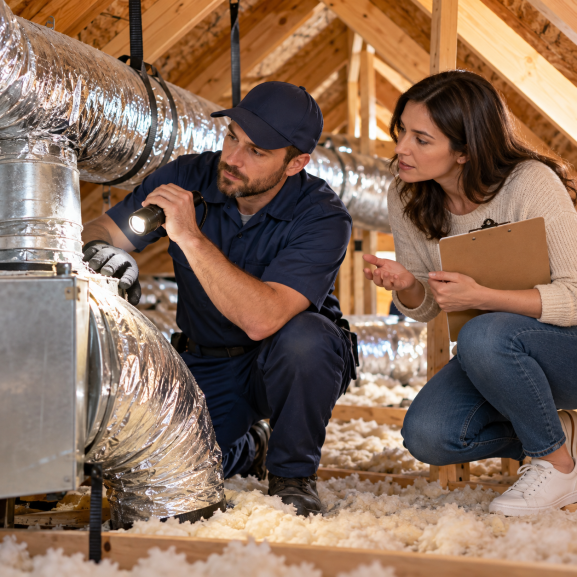
If a duct is visible from an ordinary living area, note obvious damage without disturbing it. Leave checks that require attic or crawlspace access, climbing near equipment, or opening HVAC cabinets to a professional.
Consider the whole room
Uneven temperatures can have causes beyond the ducts
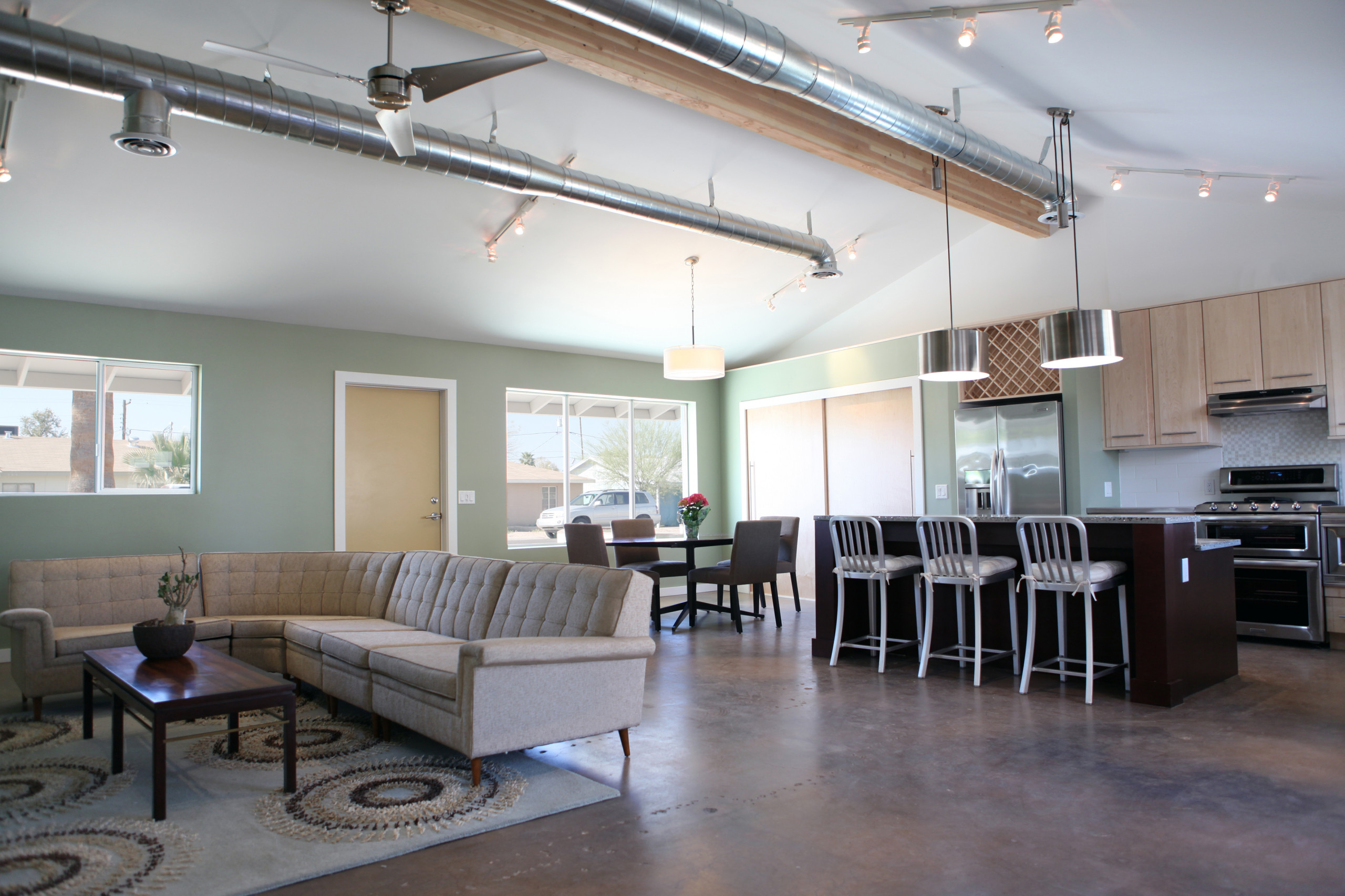
A room with large windows, exterior walls, limited insulation, or a ceiling below an attic may gain or lose heat faster than an interior room. Sunlight can warm one side of a home, while shade or wind exposure affects another. These differences may be more noticeable during very hot or cold weather.
Room layout, closed doors, thermostat location, and the equipment's settings can also influence comfort. If several rooms have weak airflow, a system-wide issue such as a restricted filter, blower problem, or incorrect setup may deserve attention. If one room is the outlier, the room's heat loss or supply-and-return arrangement may be more relevant.
Use clues, not guesses
Room-temperature symptoms and sensible next steps
| What you notice | Possible factors | A safe next step |
|---|---|---|
| One room has noticeably weak airflow | Blocked register, return-air restriction, duct issue, or room layout | Clear visible obstructions and note whether the pattern changes with the door open. |
| Several rooms have low airflow | Filter restriction, equipment setting, blower, or broader duct issue | Check only the accessible filter and arrange service if airflow remains low. |
| The temperature difference changes with sun or weather | Windows, insulation, air leakage, or different heat gain and loss | Record when it occurs and ask about a room-by-room assessment. |
| A register whistles, rattles, or makes a new noise | Airflow restriction, loose register, or duct pressure issue | Keep the register unobstructed and mention the noise when requesting service. |
Know when to bring in a technician
What an HVAC professional can check
A qualified technician can compare airflow and temperatures room by room, inspect accessible duct connections, and check system operation. Static-pressure measurements help assess the resistance the blower works against as it moves air. Depending on the findings, the visit may also cover return-air paths, duct sizing, balancing, filter fit, and blower operation. Room insulation and air leakage may need assessment too.
Ask which measurements support the proposed work and how the technician will check whether it improved the affected room. For more on the visit itself, read what happens during a professional duct inspection. If the furnace is failing to produce heat throughout the home, start with our furnace troubleshooting guide; that is a different pattern from one uncomfortable room.
Browse ductwork and vent service listingsConfirm a provider's services, qualifications, availability, fees, and service area directly with the business. For gas, carbon monoxide, smoke, or fire emergencies, contact emergency services from a safe location.
Common questions
Uneven room temperatures: FAQs
What should I record before calling an HVAC contractor?
Note which rooms are affected, when the problem started, and whether it occurs during heating, cooling, or both. If you have temperature readings, include the room, time, thermostat setting, and whether the system was running. Add whether doors were open or closed, whether direct sun was reaching the room, and any recent filter changes, renovations, or new noises. This gives the contractor more useful information than simply saying the house feels uneven.
Should I close vents in rooms that get too warm?
Do not close several registers as a general fix. Changing airflow can affect system pressure and may create other comfort or performance problems. Ask an HVAC professional whether balancing is appropriate for your system.
What kind of appointment should I ask for?
Describe the uneven temperatures and ask whether the provider investigates airflow and comfort problems. Confirm whether the visit can include room airflow measurements, return-air checks, and inspection of accessible ducts. A cleaning appointment may have a different scope, so explain the problem before booking and ask what the assessment fee includes.
How can I tell if my ducts are leaking?
Weak airflow or comfort differences can have many causes and do not confirm a leak. A technician can inspect accessible ducts and use appropriate measurements to determine whether leakage or another airflow issue is present.