No products in the cart.
Quick answer
Choose based on what an inspection and testing show
Sealing may address leaks in ductwork that is otherwise in serviceable condition. Replacement or a targeted section repair may be worth comparing when ducts are damaged, poorly supported, difficult to access or unsuitable for the system. Ask the contractor to show the findings, explain the options and verify the completed work; symptoms alone do not determine which approach is right.
Leaky, damaged or poorly performing ducts can be frustrating, but “seal it” and “replace it” are not the only possible choices. A contractor may recommend sealing, repairing a few sections, replacing a run, or addressing another cause of weak airflow or uneven temperatures. The useful starting point is a clear diagnosis and a written scope, not a one-size-fits-all rule.
Start with the evidence
What is actually wrong with the duct system?
Low airflow, dusty rooms, temperature differences and high energy use can have several causes. A loose connection or gap is different from a crushed branch, an undersized duct, poor insulation or an airflow-balance issue. Ask the contractor to identify the specific location and condition behind the recommendation, and to distinguish measured findings from assumptions.
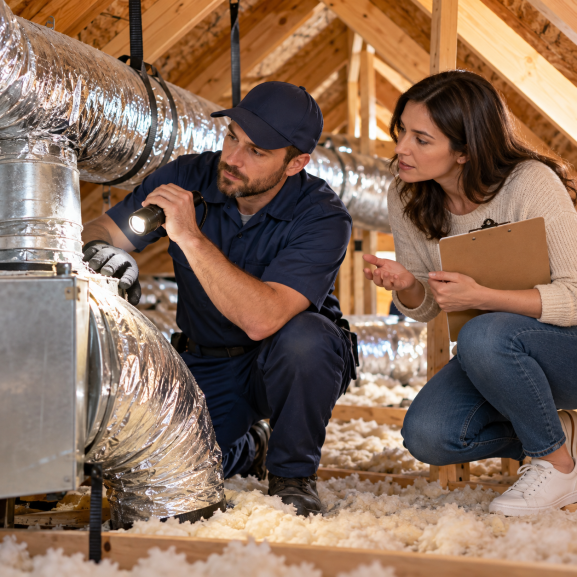
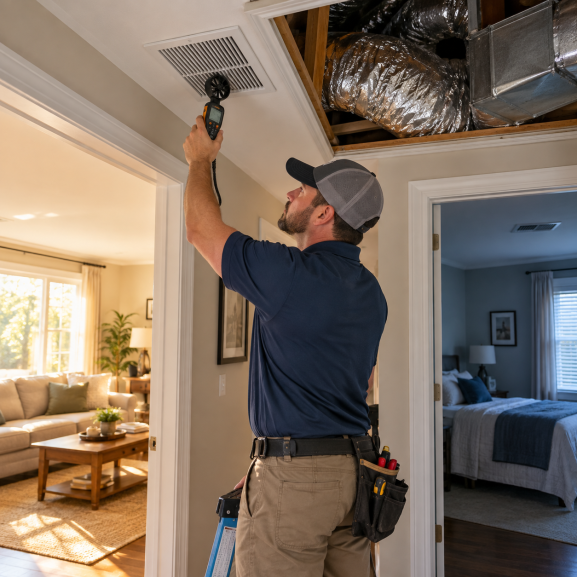
Request photos of accessible problem areas and ask what tests were performed. Depending on the system and concern, an evaluation may include a visual inspection, duct-leakage testing, airflow or pressure measurements, and checks of accessible joints, supports, insulation and dampers. Not every home needs every test; ask what each proposed test will answer.
If certain rooms are consistently too warm or too cold, the ducts may be one factor among several. Insulation, air leakage, windows, equipment operation and room layout can also matter. Our guide to uneven temperatures between rooms helps organize the symptoms, while what happens during a professional duct inspection explains what to ask about the evaluation.
Compare the scope
When might sealing, repair or replacement be discussed?
These are discussion points, not a substitute for an inspection. A well-built duct system can still have leaking joints, and an old system is not automatically beyond repair. Conversely, sealing visible joints may not solve problems caused by damaged or poorly designed ducts.
| Option to discuss | Questions that help evaluate it |
|---|---|
| Seal existing ducts | Are the ducts structurally sound and suitable for the system? Where are the leaks, how will they be sealed, and how will the result be checked? |
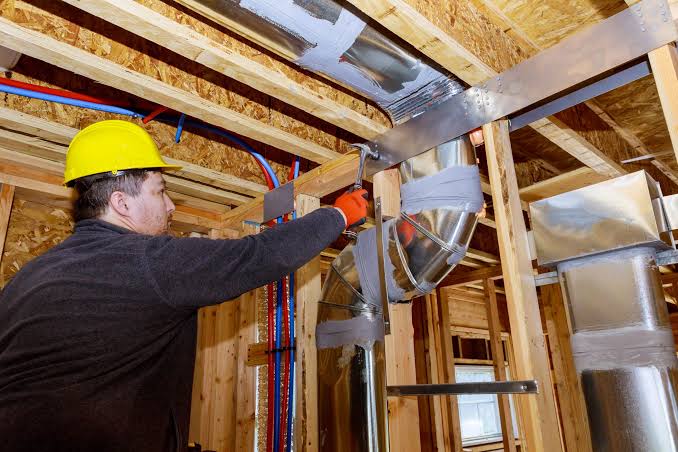
| Repair selected sections | Can disconnected, damaged or poorly supported sections be repaired without replacing the rest? Will transitions, insulation and airflow be addressed? |
| Replace a run or part of the system | Which sections are unsuitable to keep, and why? Does the proposed replacement fit the required airflow and available space? |
| Replace more extensive ductwork | Is there evidence that widespread condition, access or design problems make a broader project worth comparing? What will be tested and balanced afterward? |
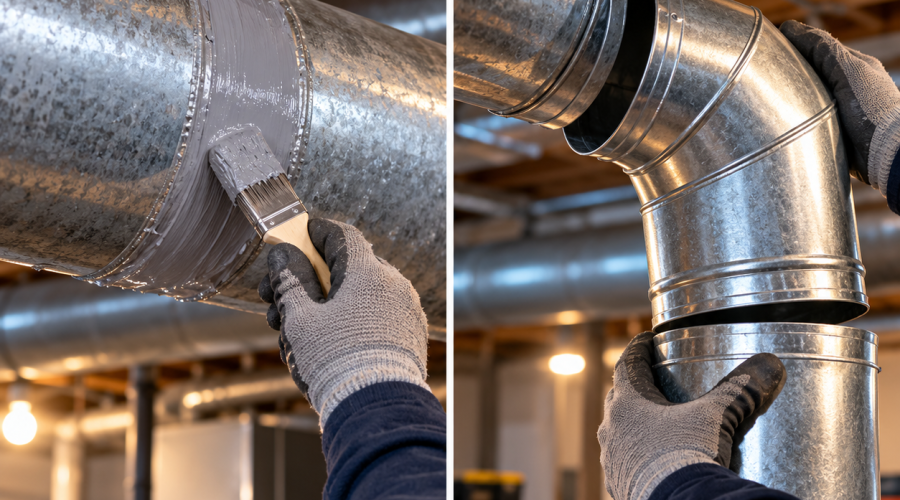
Some sealing methods are applied to accessible duct joints and seams; other methods may use specialized equipment to seal eligible ductwork from the inside. Ask what method is proposed, which materials or products will be used, what sections are included, and how the contractor will confirm the result. A method's suitability depends on the duct type, condition and access.
Understand the tests
How will the contractor verify the work?
Before approving a project, ask what baseline measurements will be recorded and what follow-up check is included. For sealing work, that may include a leakage test performed before and after the work using a clearly described method and test boundary. For repair or replacement, the contractor may also assess airflow or system pressure and adjust the distribution if needed.
- Which supply and return sections are included in the inspection or test?
- Can you show me the readings, photos or other evidence behind the recommendation?
- Will you test before and after the work? What does the measurement include or exclude?
- How will you check airflow to the rooms affected by the complaint?
- Will ducts be reconnected, supported, insulated or balanced as part of the job?
- What result can you document, and what conditions could limit the result?
Be wary of promises that a single repair will eliminate every comfort problem or guarantee a particular energy-bill reduction. Results depend on the home's envelope, the duct layout, equipment operation, weather and how the system is used.
Compare written estimates
What should each proposal spell out?
Sealing and replacement bids may cover different work, so a lower total does not necessarily represent the same solution. Ask for itemized proposals that identify the affected sections and separate required work, optional work and exclusions.
| Estimate item | Details to confirm |
|---|---|
| Diagnosis | Inspection findings, affected duct locations, test method and any assumptions about inaccessible areas. |
| Work included | Joints or sections to seal, repair or replace; material and method; access preparation; and protection of the home. |
| Related work | Insulation, supports, transitions, dampers, registers, airflow adjustment, cleanup and disposal, where applicable. |
| Price and exclusions | Labor, materials, access charges, applicable permits, allowances, taxes and conditions that could change the price. |
| Verification and warranty | Post-work testing or measurements, documentation, workmanship coverage, product warranties and follow-up service. |
If contractors propose different options, ask each to explain what problem their approach addresses and what it leaves unchanged. That makes it easier to compare a targeted repair with sealing or broader replacement without assuming that the most extensive proposal is always necessary.
Prepare for the conversation
Questions to discuss before approving ductwork
- Which duct sections are leaking or damaged, and what inspection or test supports that finding?
- Why are you recommending sealing, a targeted repair or replacement for those sections?
- What sealing method and materials do you plan to use, and are they suitable for this duct type?
- What will you do about duct insulation, supports, transitions and airflow balance?
- Will the estimate include pre- and post-work testing, and will I receive the results?
- Which work is included in the total, and what conditions could result in added costs?
- What warranty applies to the work, and what maintenance or follow-up do you recommend?
- Are you qualified and insured for this scope, and do local permits or inspections apply?
For larger or less accessible systems, a second written opinion can be useful. Give each contractor the same information about the affected rooms, when the problem occurs, recent equipment changes and prior duct repairs. For seasonal airflow checks elsewhere in the home, see the New York heating-season preparation guide.
Buffalo directory
Browse the Ductwork & Vents directory
ABV has a Buffalo Ductwork & Vents directory. The profiles reviewed for this article did not clearly confirm a specific duct-sealing or duct-replacement service, so no individual business is presented here as a match. If you use the directory, confirm directly that a provider performs the exact work you need and can supply a written diagnosis, scope and verification plan.
Protect yourself and the home
Do not disturb unsafe or unfamiliar materials
Common questions
Duct sealing and replacement: FAQs
How can I tell whether ducts need sealing or replacement?
Symptoms alone cannot decide it. Ask for an inspection and, when appropriate, leakage or airflow testing. The choice depends on the location and extent of leaks, duct condition, access, system compatibility and the written scope.
Can a contractor replace only part of the duct system?
Sometimes a targeted repair or replacement of specific sections can be considered. Ask which sections are included, how the new work will connect to the existing ducts, and whether airflow and insulation will be addressed.
Should a sealing estimate include a test after the work?
Ask what verification is appropriate for the proposed method and whether the estimate includes post-work measurements and documentation. If testing is not included, ask how the contractor will show what was completed.
Will sealing ducts fix uneven temperatures?
It may help if duct leakage is contributing to the problem, but temperature differences can have other causes, including airflow balance, insulation, air leakage, windows or equipment operation. Ask the contractor to explain which cause the proposed work addresses.
Is duct replacement always better than sealing old ducts?
No single option is right for every home. Ask the contractor to compare the condition, expected service life, access, scope, testing and total cost of the available approaches.