No products in the cart.
Heat pump troubleshooting
A heat pump makes sound as its compressor, fans, and airflow operate, and some models are naturally more noticeable than others. The timing and character of a sound can help a technician assess it, but sound alone does not identify a fault. Observe from a safe distance and do not open, adjust, or reach into the equipment.
Some operating sounds are expected
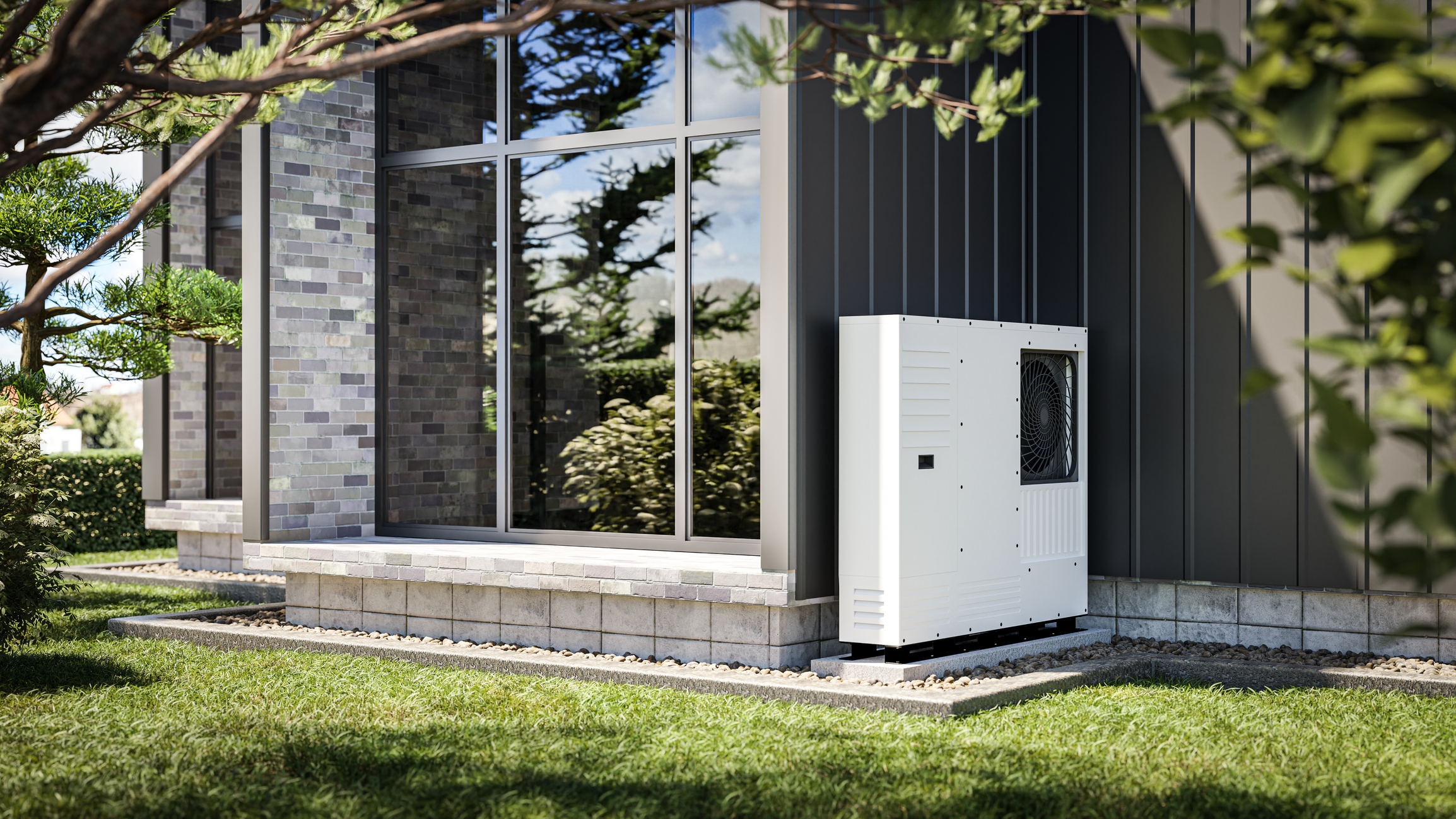
Depending on the model and operating mode, you may hear a steady compressor hum, air moving through an indoor unit, a fan starting or stopping, or brief clicks as controls change state. In cold weather, a heat pump may temporarily change sound during a defrost cycle. A short whoosh or a change in fan operation may occur; outdoor vapor during defrost can also be normal.
These are general examples, not a sound diagnosis. Installation, equipment type, mounting, weather, and the room where you hear it can all affect what is normal. See why a heat pump may run in cold weather for more about winter operation and defrosting.
Notice what is different, not just what is loud
A useful clue is whether a noise is new, persistent, getting louder, or paired with a change in heating or cooling. The table can help you describe what you notice, but it cannot confirm the cause.
| What you hear or notice | Useful observation | When to contact a technician |
|---|---|---|
| Steady hum or airflow | Note whether it is consistent with the unit's usual sound and whether it comes from indoors or outdoors. | If it is newly louder, vibrating, or paired with reduced heating or cooling. |
| Brief click, whoosh, or pitch change | Record whether it happens at startup, shutdown, a mode change, or during cold-weather operation. | If the sound becomes repeated, harsh, or is accompanied by repeated shutdowns or poor performance. |
| Rattle or vibration | From a safe distance, note the location and whether it occurs only while a fan or compressor is running. | If it persists or grows louder. Do not tighten panels or reach near the fan. |
| Grinding, scraping, banging, or squealing | Note whether it began suddenly and whether the unit's operation changed. | Arrange service promptly, especially if the sound is severe or the equipment appears damaged. |
| Persistent ice, water, or burning odor | Observe the condition without touching the unit or moving anything around it. | Contact a qualified service provider. If there is smoke, a fire risk, or an alarm, leave and call emergency services. |
Safe checks you can make without touching the unit
- Locate the sound. Note whether it seems to come from an indoor air handler, a wall-mounted indoor unit, ductwork, or the outdoor equipment.
- Note the timing. Does it happen at startup, during steady operation, while changing modes, or as the unit shuts down?
- Check the ordinary thermostat display. Record the mode and setpoint already shown; do not change installer or service settings to reproduce the sound.
- Look from a safe distance. Note visible leaves, snow, ice, or damage around the outdoor unit. Do not remove a guard, clear ice from a coil, or put a hand near a fan.
- For ducted systems, notice airflow changes. A filter may be checked only if it is user-accessible and the equipment manual describes how; do not open an equipment cabinet.
If a ducted system's sound seems to travel through the vents, a technician can distinguish equipment noise from duct-related noise. Our guide to what happens during a professional duct inspection explains what that type of visit may cover.
What a professional may inspect
Depending on the sound and the equipment, a qualified technician may check mounting and vibration, cabinet panels, fan and motor operation, airflow, electrical components, refrigerant-circuit behavior, condensate drainage, defrost controls, and the system's startup and shutdown sequence. The exact checks vary by make, model, system layout, and symptom.
Ask the technician to explain which finding accounts for the sound and whether a repair is needed. If the noise began after installation or service, mention that timing and share any paperwork. The questions in our heat pump installation and estimate guide can help you discuss equipment details and service scope.
When to seek help urgently
Arrange prompt service for sudden grinding, scraping, or repeated banging; a fan that appears to strike something; persistent heavy ice; water near electrical equipment; or noise accompanied by a loss of heating or cooling. If there is smoke, a burning smell that suggests fire, or a carbon-monoxide alarm in a home with fuel-burning backup heat, move everyone to a safe location and contact emergency services.
Frequently asked questions
Why does my heat pump sound different from a neighbor's?
Sound varies by model, capacity, compressor and fan design, mounting, installation, surroundings, and operating conditions. Compare the sound with your own unit's normal behavior and the manufacturer's guidance.
Is a whoosh or vapor during defrost always a problem?
Not necessarily. Some heat pumps briefly change sound and release visible vapor during a defrost cycle. Persistent heavy ice, a blocked fan, or poor performance should be assessed by a technician.
Should I turn the heat pump off if it is noisy?
For a severe new mechanical sound, visible damage, or an obstructed fan, use the normal thermostat control to stop operation if it is safe to do so and contact a service provider. Do not open the unit or approach electrical parts.