No products in the cart.
Quick answer
It may reduce some airborne allergens—but it has limits
A properly sized air purifier with an effective particle filter can capture some allergens while they are airborne and pass through the unit. It will not remove particles already settled on bedding or furniture, fix a moisture or mold problem, or treat an allergy. Results depend on the trigger, room, device, and how it is used.
If pollen, pets, dust, or mold seem to affect your indoor air, a purifier may be one part of a broader plan. The key is to understand what the filter can capture, what remains in the room, and whether the device is sized and maintained for the space.
Understand the mechanism
How an air purifier may help with airborne allergens
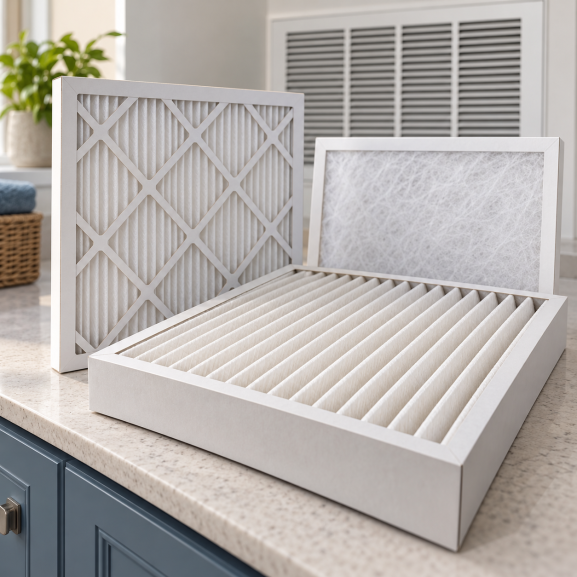
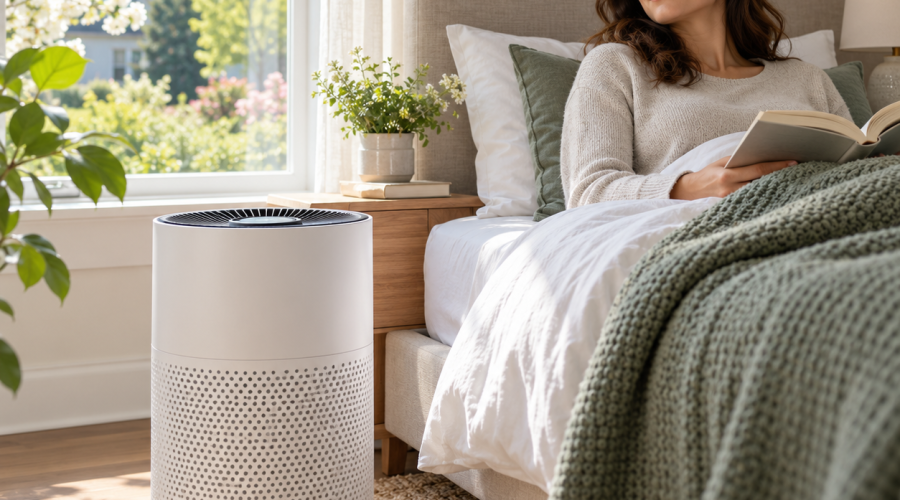
A room air cleaner draws room air through a filter and returns filtered air to the space. A mechanical HEPA filter is designed to capture particles that pass through it, including many airborne particles that can act as allergy triggers. The purifier only treats the air that reaches the filter, so performance depends on airflow, filter fit, room size, and run time.
This is different from removing the source. A purifier does not vacuum a carpet, wash bedding, clean pet dander from a sofa, or repair a leak. It can lower some particles in the air while operating, but it should not be treated as a guarantee of symptom relief.
The trigger matters
Which allergens might an air purifier capture?
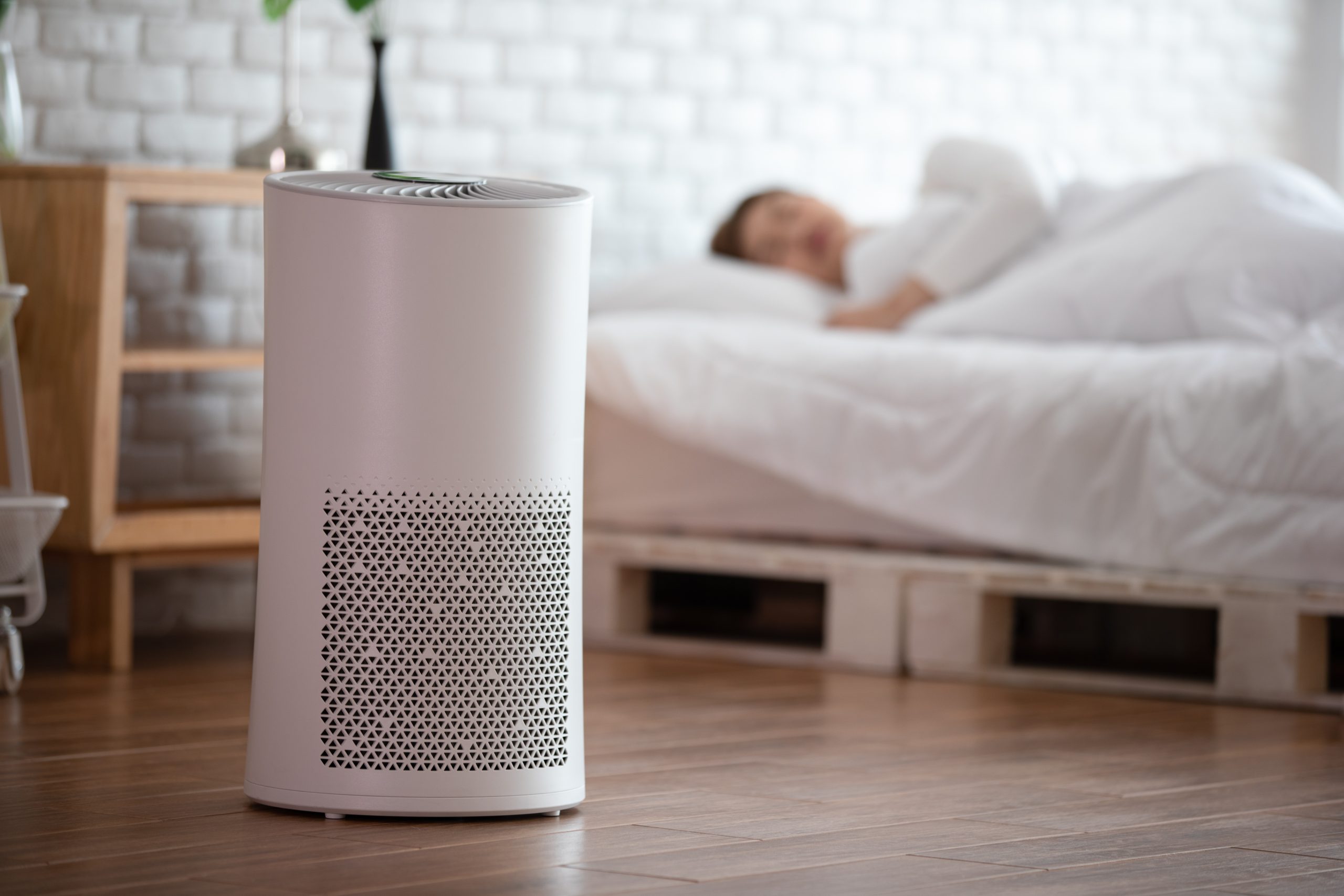
A purifier can only capture particles that become airborne and pass through its filter. The amount of time a trigger spends in the air—and where it collects—varies.
| Trigger | What filtration may do | What still matters |
|---|---|---|
| Pollen | May capture airborne pollen that enters the room and passes through the filter. | Keep outdoor pollen from accumulating indoors where practical; clean surfaces and follow local allergy guidance. |
| Pet dander | May capture some airborne dander and other particles from pets. | Dander can also settle on fabrics and surfaces, so cleaning and source management remain important. |
| Dust-mite allergen | May capture the portion that is airborne and reaches the unit. | Much of the reservoir can be in bedding, upholstery, and settled household dust. |
| Mold spores | May capture airborne spores that pass through the filter. | Filtration does not stop mold growth; the moisture source and affected material need attention. |
| Odors and gases | A particle filter is not designed to remove most gases. Some carbon media can reduce certain odors or gases. | Carbon performance depends on the media and amount used; it is not a universal gas-removal solution. |
Set realistic expectations
What an air purifier cannot do
A purifier is not an allergy cure, and an improvement in air quality does not guarantee that symptoms will improve. It cannot remove every allergen from a home, prevent new particles from entering, or replace cleaning and other source-control steps.
It also cannot solve a leak, persistent dampness, or mold growth hidden in building materials. If moisture or visible mold is present, address the source and get appropriate help rather than relying on a filter alone. A portable unit is intended for the room or area it is sized to serve—not automatically for an entire house.
Choose for the room
What to check before buying an air purifier
- Room size and clean-air delivery: Match the unit's published clean-air delivery rate (CADR) or room-size guidance to the space where you plan to use it. Check the conditions behind the rating and whether it assumes the highest fan setting.
- Filter type and fit: Look for clear manufacturer specifications for a mechanical HEPA filter, and check the replacement filter's availability and price. A poorly fitted or overdue filter can undermine performance.
- Noise and run time: A louder setting may be less comfortable for sleeping or working. Consider whether the unit will be used at a speed that can keep air moving regularly.
- Ongoing costs: Include replacement filters, electricity use, and any special maintenance in the budget—not just the purchase price.
- Ozone and add-on technologies: Avoid devices that intentionally generate ozone. If a purifier includes an ionizer or another optional feature, review what it does and whether it can be switched off.
Use and maintain it
How to get more from a room air cleaner
Start with the manufacturer's placement and operating instructions. Keep the air intake and outlet clear, use the purifier in the room where it is intended to help, and choose a fan setting you can tolerate for regular use. Leaving doors or windows open may change how quickly the unit can clean that room, depending on the conditions.
Check and replace filters on the schedule and in the manner specified for the model. Do not wash a filter unless the manufacturer says it is washable. If you also use a central HVAC filter, confirm the filter type is compatible with the system and replace it as directed; a portable purifier and an HVAC filter serve different roles.
Address the source too
Pair filtration with practical source control
For dust-mite allergens, cleaning bedding and soft furnishings may matter because allergens can collect there. For pet dander, routine cleaning of surfaces and fabrics can reduce settled material. For mold, moisture control and fixing the water problem are more important than trying to filter spores after they spread.
For outdoor pollen, consider ways to limit how much enters the home and clean areas where it collects. The most useful steps depend on the trigger and the household. If you are unsure what is causing symptoms, a clinician or allergy specialist can help identify appropriate next steps.
Know when filtration is not enough
When to look beyond an air purifier
If symptoms continue, are getting worse, or interfere with sleep and daily activities, ask a healthcare professional for advice rather than relying on an appliance to diagnose or treat the cause. Seek urgent care for severe or rapidly worsening symptoms.
If you find persistent dampness, recurring leaks, or extensive mold, consider a qualified building or moisture professional. A purifier may capture some airborne particles, but it does not repair the building or remove contaminated materials.
Explore local home-service listingsConfirm a provider's services, qualifications, availability, fees, and service area directly with the business. For health concerns, contact a healthcare professional.
Common questions
Air purifiers and allergies: FAQs
Can an air purifier remove pollen from a room?
A correctly sized purifier with an effective particle filter may capture airborne pollen that passes through it. It will not remove pollen already settled on every surface or prevent more from entering the room.
Will a HEPA purifier help with dust-mite allergies?
It may capture some dust-mite allergen while airborne, but much of the material can be in bedding, upholstery, and settled dust. Filtration should not be treated as a replacement for addressing those reservoirs or getting individualized health advice.
Does a HEPA filter remove odors or gases?
A particle filter is designed for particles, not most gases. Some purifiers include activated carbon for certain odors or gases, but results vary with the type and amount of carbon and the substance involved.
Should I run an air purifier all day?
Follow the product instructions and choose a setting that fits your room, noise tolerance, and needs. More operating time can move more room air through the filter, but there is no universal schedule or guarantee of symptom relief.
Can an air purifier replace allergy medicine or a doctor's advice?
No. An air purifier is an indoor air-cleaning device, not a medical treatment. Talk with a healthcare professional about persistent symptoms or changes to prescribed treatment.