No products in the cart.

Quick answer
Balance moisture, fresh air and temperature—not humidity alone
Cold outdoor air can feel much drier after it enters a heated home, while cooking, bathing and humidifiers add indoor moisture. Use a hygrometer as a guide, ventilate moisture-producing rooms, and watch for window condensation or damp areas. There is no single humidity setting that suits every home in every New York winter.
Dry-feeling air, fogged windows and rooms that never feel quite comfortable can all show up during a New York winter. They do not necessarily have the same cause. A few careful observations can help you decide whether to adjust a humidifier, improve everyday ventilation, or ask a qualified professional to assess a persistent moisture or airflow concern.
Understand winter dryness
Why indoor air can feel dry when the heat is on
Cold air generally holds less water vapor than warm air. When outdoor air enters a home and is heated, its relative humidity can drop even if no moisture has been removed from it. Heating itself does not necessarily take water out of the air; the change in temperature and the amount of outdoor air entering the home both matter.
How a home feels also depends on air movement, room temperature, clothing, drafts and personal comfort. A dry sensation alone cannot tell you the home's relative humidity. If you want a more useful reference, a simple room hygrometer can show how humidity changes over the day and when you cook, shower or run a humidifier.
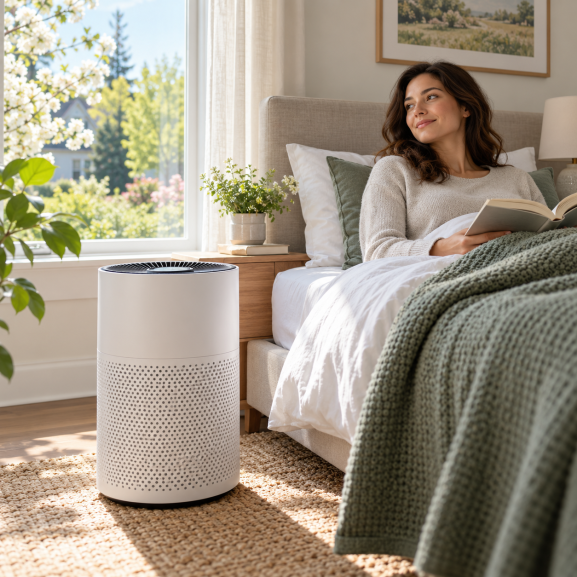
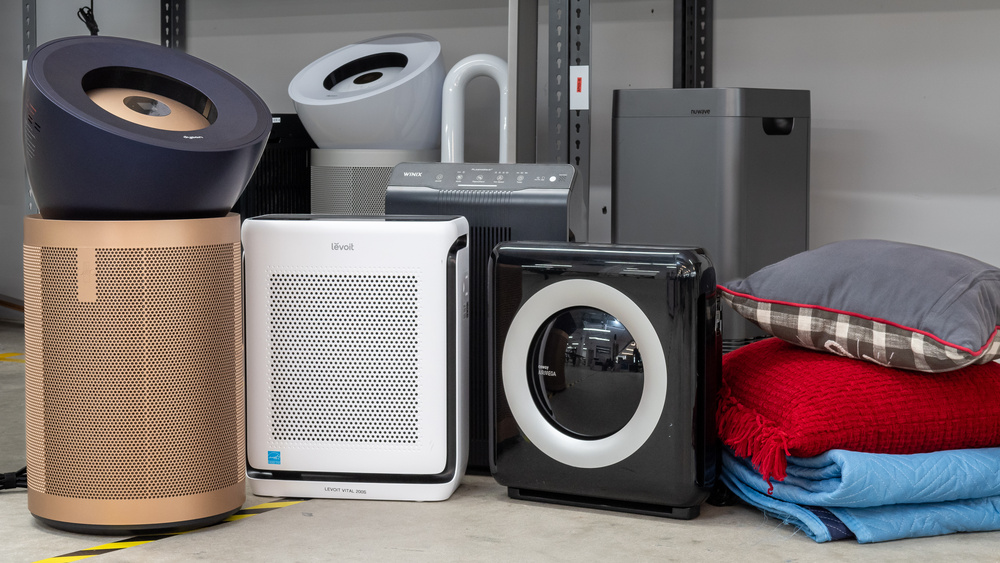
An air purifier may filter some airborne particles, but it does not add moisture or provide outdoor-air ventilation. Our guide to what an air purifier can and cannot do for indoor allergens explains that distinction.
Measure before adjusting
Use a hygrometer and avoid adding more moisture than the home can handle
A hygrometer can help you notice patterns, but its reading is only one part of the picture. Indoor comfort and the risk of condensation depend on outdoor temperature, window and wall surfaces, insulation, air leakage and ventilation. For that reason, a single target percentage is not right for every house or every cold spell.
If you use a portable or whole-home humidifier, follow its instructions for operation, cleaning and water changes. Start conservatively and check the home's response. Water droplets on windows, damp window frames, persistent musty odors or visible moisture are reasons to reduce humidification and look for the source—not to keep turning the humidifier up because the air feels dry.
Remove moisture at the source
Use kitchen and bathroom ventilation during moisture-producing activities
Cooking and bathing add water vapor indoors. Use a range hood or bathroom exhaust fan when appropriate, and follow the equipment instructions for run time. An exhaust fan is most useful when it actually moves air outdoors; if you are unsure where it vents, or it is unusually noisy or weak, ask a qualified professional to check it.
Keep fan grilles and air inlets clear, and clean or replace filters as directed by the manufacturer. Do not block intentional ventilation openings to stop drafts, and do not cover combustion-air openings around fuel-burning equipment. If the home has a whole-house ventilation system, use and maintain it according to its manual rather than disabling it through the winter.
Opening a window briefly may exchange air in some situations, but outdoor temperature, weather, security and the home's heating system matter. Avoid leaving windows open for long periods as a substitute for diagnosing a ventilation or moisture problem.
Separate comfort clues
Dryness, drafts and uneven room temperatures are different clues
A room may feel uncomfortable because it is cooler, has a draft, has more air movement, or receives less heat—not because its humidity is different. Track which rooms feel uncomfortable, the thermostat setting, the time of day, and whether doors or registers are open. This gives a technician more useful context than a general report that the house feels dry.
Keep supply registers and return grilles unobstructed, but do not close vents to force air elsewhere. If temperatures differ from room to room, see our guide to uneven temperatures and possible ductwork causes. If duct problems are suspected, read what a professional duct inspection may include before approving a particular test or repair.
For broader cold-weather preparation—including filters, thermostat checks and keeping heating equipment clear—see our New York heating-season checklist.
Look for a recurring pattern
Know when condensation or musty odors need a closer look
Occasional condensation can form when warm, moist indoor air meets a cold surface. If it returns often, pools on a sill, damages finishes or appears alongside a musty odor, do not assume that a humidifier is the only cause. Moisture may be connected to ventilation, a leak, cold surfaces or another building condition.
Wipe up small amounts of surface water when safe, reduce excess moisture at the source and monitor whether the problem returns. Avoid disturbing suspected mold or opening walls to investigate. For persistent dampness, recurring leaks or a larger affected area, seek an appropriately qualified building or moisture professional. An air-quality assessment may help answer a specific indoor-air question, but it does not replace fixing the moisture source.
Keep safety separate from comfort fixes
Never use an appliance or ventilation shortcut that creates a hazard
Do not use an oven, range or outdoor heater to warm the home. Keep fuel-burning equipment and its vents clear, and maintain smoke and carbon monoxide alarms according to their instructions. Humidifiers and air purifiers do not detect carbon monoxide, correct combustion problems or replace required ventilation.
Common questions
Winter humidity and ventilation: FAQs
Does running the heat make indoor air dry?
Heating air can lower its relative humidity because warmer air can hold more water vapor. The actual moisture in the home also depends on outdoor-air exchange, cooking, bathing, humidifiers and other sources.
What humidity should I keep my home at in winter?
There is no one setting that suits every home and outdoor temperature. Use a hygrometer as a guide, follow humidifier instructions, and pay attention to recurring condensation or dampness. If moisture appears, reduce added humidity and investigate the cause.
Will a humidifier stop window condensation?
No. Adding moisture can make condensation worse if the indoor air is already too humid for cold window surfaces. Reduce the humidifier setting if water repeatedly forms and consider ventilation, air leakage, insulation or a moisture source.
Should I run bathroom fans in winter?
Use a properly functioning exhaust fan during moisture-producing activities and follow its instructions. If you are unsure whether it vents outdoors, has weak airflow or contributes to a persistent problem, ask a qualified professional to assess it.
Can an air purifier control humidity or replace ventilation?
No. Most room air purifiers filter particles in the air but do not add or remove meaningful moisture or provide outdoor-air ventilation. Choose equipment for the problem it is designed to address.