No products in the cart.
Quick answer
Start before the first cold snap with a few safe checks
Arrange a heating-system check if it is due, review the filter and thermostat, keep air openings clear, and test smoke and carbon monoxide alarms. New York homes use different systems—including furnaces, boilers and heat pumps—so follow the equipment instructions and ask a qualified professional what maintenance applies to yours.
A little preparation can make the first cold stretch less stressful. Before temperatures drop, identify your heating system, check the items homeowners can safely access, and arrange service early if maintenance is due or something does not seem right. This checklist is a starting point—not a substitute for the instructions for your equipment or a professional inspection.
Plan ahead
Arrange seasonal service before you need heat every day
If the manufacturer's maintenance schedule or your service records show that a check is due, try to arrange it before the first sustained cold weather. A seasonal appointment may include different tasks for a furnace, boiler or heat pump; ask what the visit covers rather than assuming every “tune-up” includes the same inspection, cleaning or testing.
Tell the provider about unusual sounds, odors, short cycling, cold rooms, past repairs and any recent changes to the home. If the system has already stopped heating, use our guide to safe checks for a furnace that is not heating and know when to stop troubleshooting.
Restore clear airflow
Check the filter and keep supply and return openings clear
If your system has a homeowner-accessible filter, check it before the heating season and replace it only with the correct size and type specified for the equipment. Filter life varies with the product, system and home conditions, so follow the filter and equipment instructions instead of relying on one calendar rule. If a filter is difficult to reach or you are unsure which one to use, ask a technician.
Move furniture, rugs and curtains away from supply registers and return grilles. Do not close or cover vents to force more heat into another room; that can affect airflow and may not address the underlying cause. If the same rooms remain too warm or too cold, our guide to uneven temperatures and possible ductwork causes can help you note the pattern before requesting service.
Try the normal controls
Check the thermostat and learn the system's normal settings
Check that the thermostat has power, is set to Heat, and has a setpoint above the current room temperature. If it uses batteries, follow the thermostat instructions for replacement. Allow the system time to respond; heat pumps and hydronic systems can behave differently from a forced-air furnace.
Make a note if the display is blank, settings do not hold, or the system repeatedly starts and stops. Do not remove equipment panels or try to bypass a thermostat, safety switch or limit control. If the heating equipment does not respond to normal user controls, arrange a diagnosis rather than opening it up.
Prepare the home
Look for drafts and track rooms that feel different
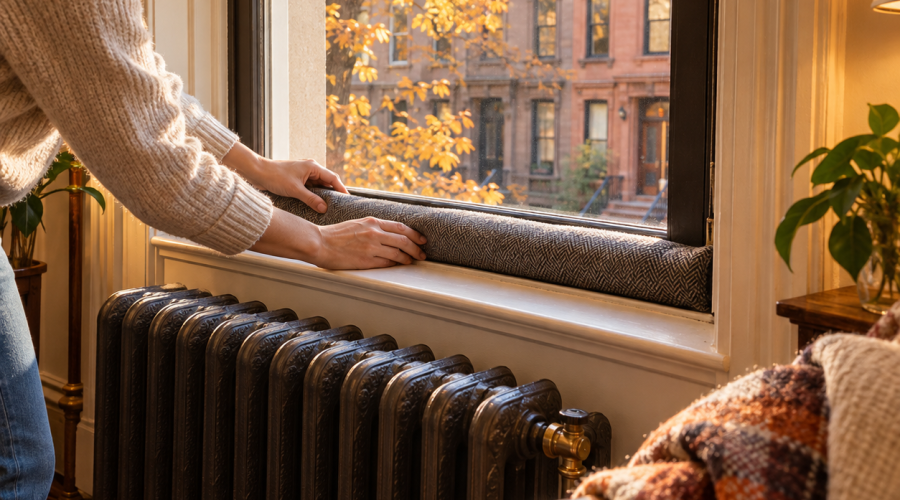
Before winter, check for obvious drafts around doors and windows and note rooms that routinely feel uncomfortable. Weatherstripping or curtains may help with drafts, but do not block combustion-air openings, appliance vents, radiators or other clearances specified by the manufacturer. Keep the area around heating equipment free of stored items and combustibles.
If one room is persistently colder, record when it happens, the thermostat setting and whether nearby doors or registers are open. A duct inspection may help when accessible ductwork is suspected, but temperature differences can also relate to insulation, air leakage, windows, system sizing or controls. Read what a professional duct inspection may include before booking a specific test.
Know what heats your home
Use the right checklist for a furnace, boiler or heat pump
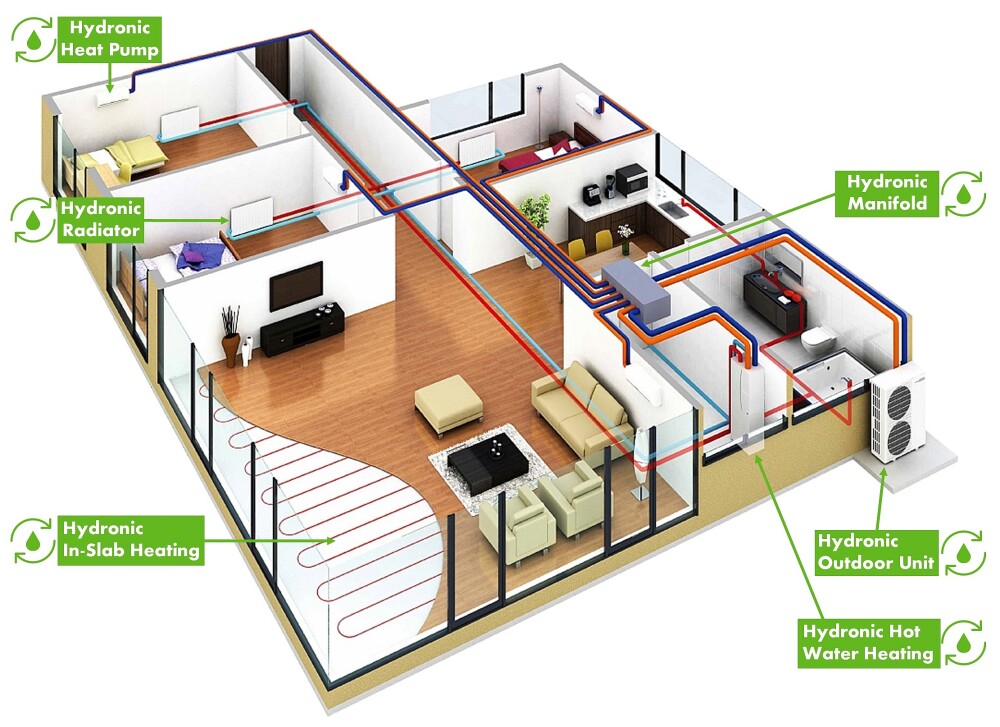
Not every New York home has the same setup. A forced-air furnace uses ducts and registers; a boiler may send hot water or steam to radiators or radiant floors; a heat pump moves heat and may have specific thermostat and outdoor-unit requirements. Some homes combine systems or use supplemental heat.
Find the equipment model and manual if available, and ask a technician which homeowner checks are appropriate. If you are weighing system types or planning a future upgrade, see our balanced guide to heat pumps versus furnaces in New York. The better fit depends on the home, existing equipment, electrical and duct conditions, climate and household priorities.
A simple seasonal checklist
What you can check—and what belongs to a professional
| Item | Homeowner check | Ask a professional about |
|---|---|---|
| Filter and airflow | Check an accessible filter; keep registers and returns unobstructed | Filter fit, airflow concerns, duct condition or a filter that is hard to access |
| Thermostat | Confirm Heat mode, setpoint and user-replaceable batteries if applicable | Repeated cycling, controls that do not respond, or system-specific settings |
| Heating equipment | Keep the area clear and note visible changes without opening the equipment | Due maintenance, unusual noise, persistent odor, leaks or poor performance |
| Home comfort and safety | Note drafts and cold rooms; test alarms as directed by their manufacturer | Combustion, electrical, venting or persistent room-to-room comfort concerns |
Make safety part of preparation
Test smoke and carbon monoxide alarms as directed
Check that smoke and carbon monoxide alarms are installed where required and operate according to the device instructions. Replace batteries or the alarm unit only as directed by the manufacturer. An alarm test is not a substitute for inspecting a furnace, boiler, chimney or venting system.
Do not dismantle a burner, boiler, furnace, vent, electrical panel or refrigerant circuit. Gas, combustion, venting and electrical work should be handled by appropriately qualified professionals.
Prepare for an appointment
Ask clear questions before approving seasonal work
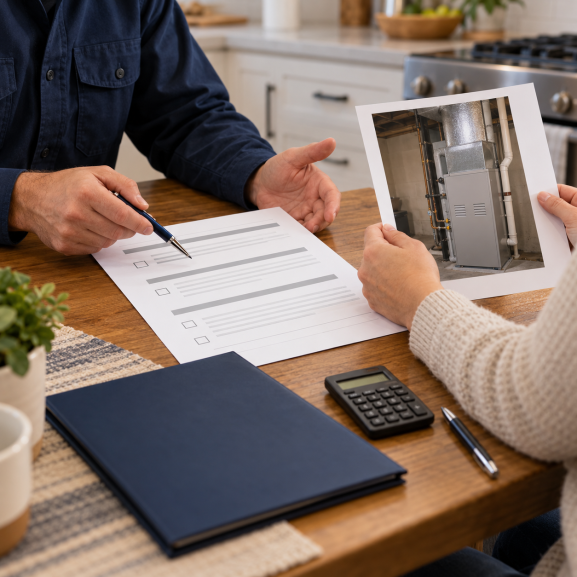
When arranging service, describe the system type, symptoms, maintenance history and any safety warnings. Ask for the work and price in writing, and request an explanation of any additional repair or test before authorizing it.
- What equipment and components are included in this appointment?
- Is this a maintenance visit, a diagnostic visit, or both?
- Which maintenance steps are recommended by my equipment manufacturer?
- What findings support any proposed repair, and what is optional?
- What are the total fees, parts and labor, and any warranty terms?
- Are you qualified and equipped to service this specific system type?
Directory entries are not endorsements, and some listings may be unverified. Confirm a provider's qualifications, services, service area, availability and fees directly before booking.
Common questions
Heating season preparation: FAQs
When should I prepare my New York home for heating season?
Before sustained cold weather is ideal, especially if maintenance is due or you need a repair. Appointment availability varies, so check your equipment records and arrange service early rather than waiting for a breakdown.
Should I run my heat before the first cold day?
You can check normal thermostat operation according to the equipment instructions, but do not force a system to run or open its panels. If it does not respond, makes an unusual sound, or produces a persistent concerning odor, turn away from DIY troubleshooting and contact a qualified professional.
How often should I change my furnace filter?
It depends on the filter, equipment and conditions in the home. Follow the filter and system instructions, check an accessible filter periodically, and ask a technician if you are unsure about the right type or replacement interval.
Does every heating system need the same seasonal maintenance?
No. Furnaces, boilers, heat pumps and hybrid systems have different components and manufacturer requirements. Ask for maintenance that matches your equipment rather than assuming one checklist covers every system.

Pingback: Steam vs. Hot-Water Radiators: How to Identify Your System - ABV