No products in the cart.
Quick answer
Gas odor, a CO alarm or smoke? Leave first.
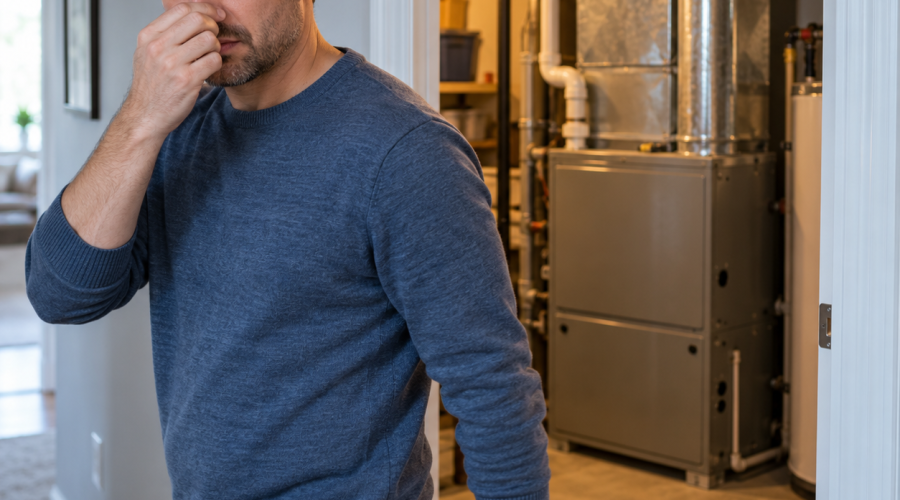
If you smell rotten eggs or sulfur, leave the building without operating switches, the thermostat or appliances, then call 911 or your gas utility's emergency number from outside. Carbon monoxide has no smell: if a CO alarm sounds or anyone feels unwell, get everyone outdoors and call emergency services. Smoke, sparks or a sharp electrical-burning odor also require distance and prompt help. Do not open or reset the furnace.
A furnace odor can range from a brief dusty smell when heating starts after a long break to a warning that calls for immediate evacuation. Smell alone cannot confirm what is happening, and carbon monoxide cannot be smelled at all. Use the guidance below to choose a safe next step, not to diagnose or repair the equipment.
Recognize the warning
What does the smell call for?
Do not sniff around the furnace to identify a source. If an odor is strong, sudden or worsening, move away and use the more cautious response.
| What you notice | What it may indicate | Safer next step |
|---|---|---|
| Rotten egg or sulfur odor | A fuel-gas odorant may be present. You cannot confirm the source or severity by smell. | Leave immediately. Do not use switches, the thermostat, appliances, a flame or a phone inside. Call 911 or the gas utility emergency line from outside. |
| CO alarm or possible symptoms | Carbon monoxide is odorless and cannot be identified by smell. | Take everyone and pets outdoors immediately. Call 911 or local emergency services from outside and do not re-enter until responders say it is safe. |
| Smoke, sparks or electrical-burning smell | There may be an electrical or fire hazard. The odor alone cannot identify its cause. | Move away and keep others clear. If there is smoke, flame, sparks or a worsening smell, evacuate and call 911. Do not touch wiring or reset a breaker. |
| Mild dusty smell at first start-up | Dust in or around a system that has been idle may cause a brief odor, but this is not a diagnosis. | If it is strong, persists, returns or becomes acrid, stop using the system if you can do so without approaching it and arrange professional advice. |
Safety first
When should you leave the house?
If you smell gas, leave immediately
Get everyone out and move away from the building. Do not operate lights, the thermostat, appliances or other switches; do not use a phone inside, light a flame, or try to locate the leak. Once outside and at a safe distance, call 911 or your gas utility's emergency number. Do not go back in until responders say it is safe.
If a carbon monoxide alarm sounds
Carbon monoxide is colorless and odorless. Move everyone and pets outdoors immediately and call 911 or local emergency services from outside. Headache, dizziness, nausea, weakness, confusion or unusual fatigue can also be warning symptoms. Do not re-enter until authorities say it is safe.
If you see smoke, sparks or flame
Do not approach the furnace, open a panel, touch wiring or reset a breaker. Evacuate if there is smoke or fire, then call 911 from a safe place. For a persistent burning electrical smell without visible smoke, stay clear of the equipment and contact a qualified professional promptly; call emergency services if conditions worsen.
A less urgent possibility
Can a brief dusty smell be normal?
Some homeowners notice a mild dusty or warm-air smell when a furnace runs for the first time in a while. It may fade after the system has operated briefly. That possibility does not make every furnace odor harmless: a sharp plastic or electrical smell, visible smoke, a gas odor, a CO alarm, or an odor that is strong, persistent or repeatedly returns should not be dismissed as dust.
Do not remove furnace panels, vacuum inside the unit, light a pilot, inspect a burner or touch electrical parts. If there are no emergency signs but the odor continues, stop using the system if you can do so without going near the equipment and call a qualified HVAC technician for guidance.
If the furnace is also not heating, use our guide to safe checks for a furnace that is not heating. An odor or another symptom should not be used on its own to identify a failed part.
When there is no immediate danger
What information helps a technician?
Only after everyone is safe and there are no emergency warning signs, note what you already observed from a normal area of the home. Do not recreate the odor or get closer to the furnace to gather details.
- Describe the odor in plain terms, such as dusty, sulfur-like, smoky or electrical-burning.
- Note when it began and whether it happened at start-up, during a heating cycle or after the furnace stopped.
- Say whether the smell faded, persisted or returned, and whether an alarm sounded.
- Share the furnace make or model only if the label is already visible without opening a cover.
- Ask whether the provider services your system type, what the diagnostic fee is, and whether you will receive an estimate before additional work.
For non-emergency seasonal maintenance, our guide to preparing a New York home for heating season covers planning ahead. Maintenance is not a substitute for leaving during a suspected gas leak, CO alarm or fire emergency.
Professional assessment
Finding a heating professional
If an odor is not an emergency but remains unexplained, arrange an assessment with a qualified HVAC professional. Ask what the visit includes and get the diagnosis, scope and price before authorizing additional work.
ABV directory · Buffalo
A heating and cooling profile to verify
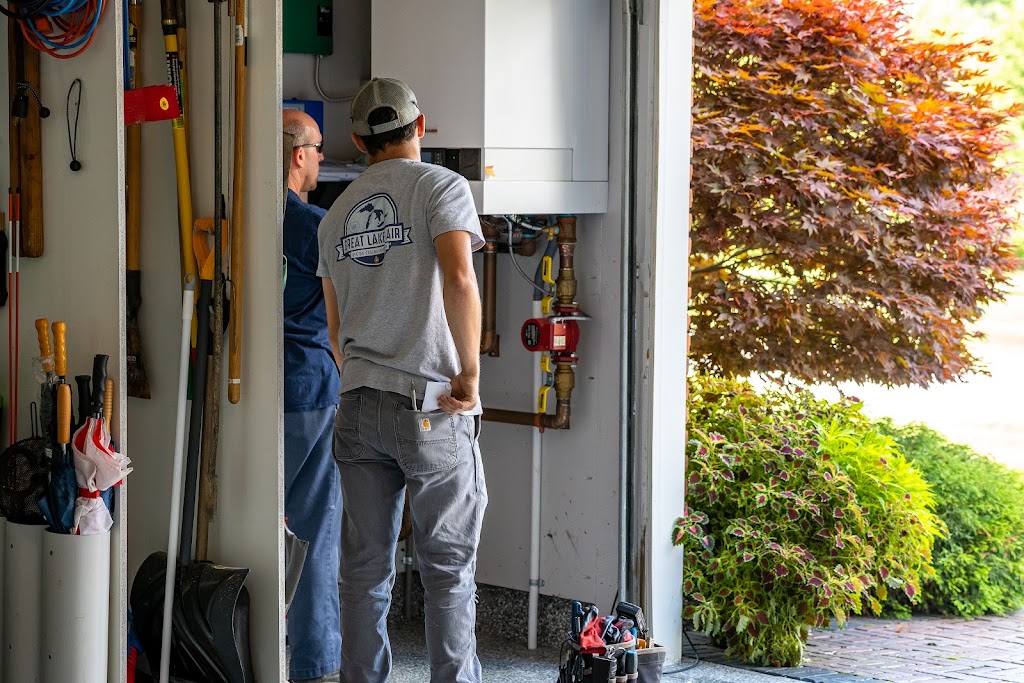
Great Lakes Air is listed in ABV's Buffalo Heating category, and its profile describes heating and cooling service. The listing is marked Not verified; it is not an endorsement and does not confirm availability, qualifications or service for a specific odor issue. Contact the business directly to check current services, credentials, service area and fees.
Buffalo, New York · Not verified
Great Lakes Air
Review the ABV directory profile
A directory listing is not an emergency contact. For a gas odor, CO alarm, smoke or fire, move to safety and call emergency services from outside.
Common questions
Furnace smells: FAQs
What should I do if my furnace smells like rotten eggs?
Leave immediately without operating switches, the thermostat or appliances. From outside and away from the building, call 911 or your gas utility's emergency number. Do not re-enter until responders say it is safe.
Can I smell carbon monoxide from a furnace?
No. Carbon monoxide has no smell. If a CO alarm sounds or someone has possible symptoms such as headache, dizziness, nausea, weakness or confusion, move everyone outdoors and call emergency services from outside.
Is a burning smell when the heat turns on always normal?
No. A mild dusty smell may occur briefly after a long idle period, but a sharp electrical or plastic odor, smoke, a strong or persistent smell, or an odor that keeps returning should not be assumed harmless. Move away and seek appropriate professional help.
Should I turn off the furnace when I notice an odor?
If you smell gas, do not touch the thermostat or any switch; leave and call from outside. For smoke, sparks or fire, move away and evacuate as needed. For a non-emergency persistent odor, only use a normal thermostat control if it is safe to do so without approaching the equipment; otherwise stay clear and call a professional.