No products in the cart.
Quick answer
Duct cleaning is best considered when there is a specific, inspectable reason
Routine cleaning is not a default requirement for every home, and it is not a proven treatment for allergies. Ask for an inspection if there is substantial visible contamination inside the system, evidence of pests, or heavy debris that is entering living spaces. Confirm what will be cleaned, why it is needed and what the service will not address.
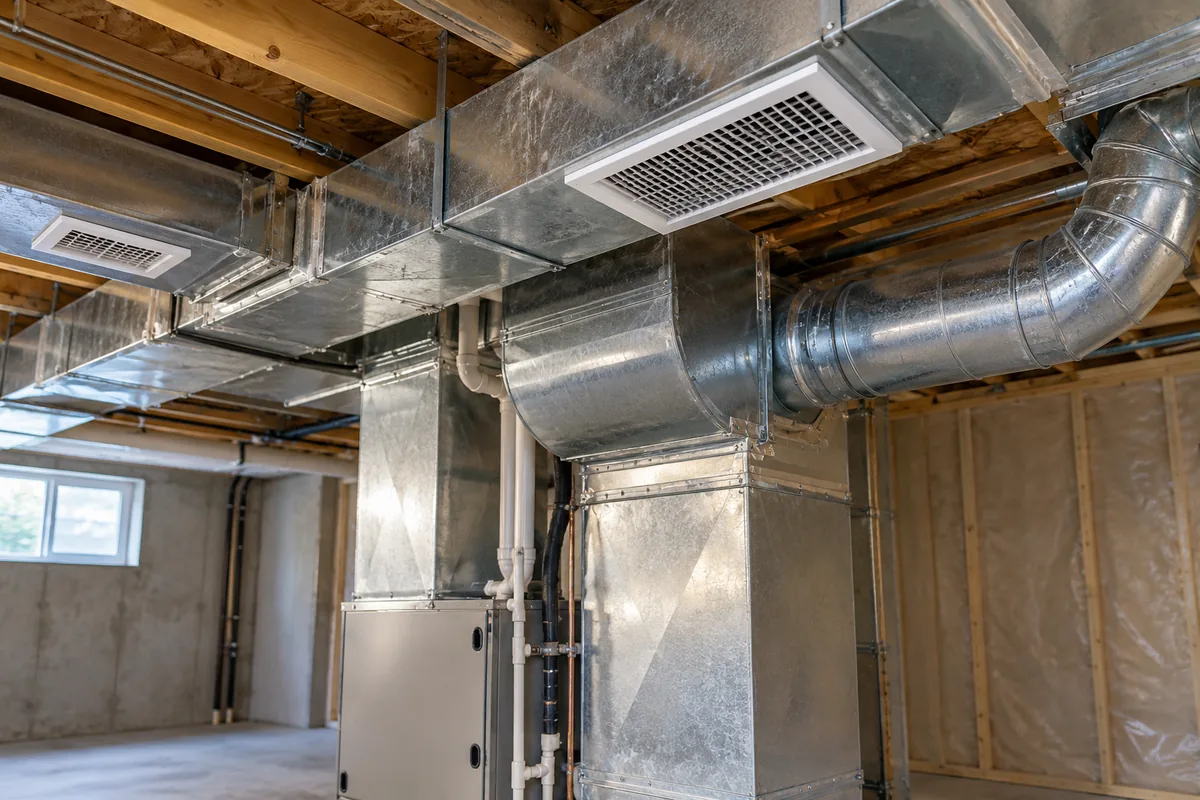
Dust on a vent grille can make duct cleaning sound overdue, but the grille is only one visible part of a larger system. Before paying for service, find out whether there is a condition inside the ducts or HVAC equipment that cleaning can reasonably address. This guide covers signs worth investigating, limits on the expected result and questions to ask before scheduling.
01 / Look for a reason
What signs may justify asking about duct cleaning?
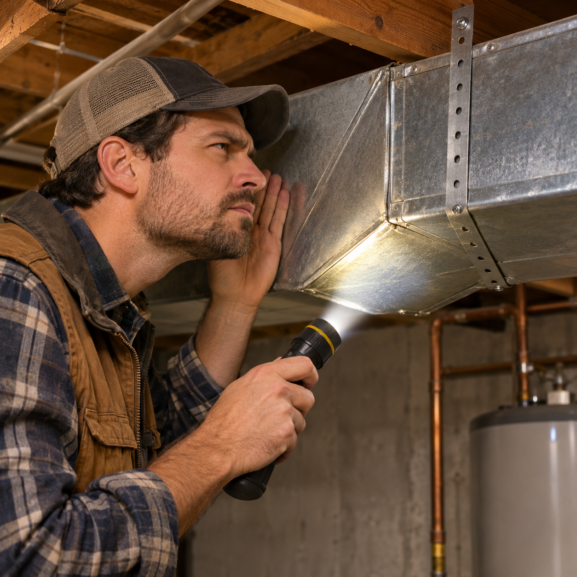
Start with an inspection of the areas that can be safely viewed. The U.S. Environmental Protection Agency says duct cleaning should be considered as needed rather than treated as routine maintenance for every home. Conditions that may warrant further evaluation include:
| What you observe | What to clarify | A sensible next step |
|---|---|---|
| Substantial visible mold-like growth inside hard-surface ducts or HVAC components | Can the provider identify the material and the affected area? What moisture source must be corrected? | Have the condition assessed before approving cleaning. Cleaning alone will not fix an ongoing moisture problem. |
| Evidence of rodents or insects in the duct system | Has the pest source been addressed, and which ducts or components are affected? | Coordinate pest removal and any needed repair or cleaning; ask for the work scope in writing. |
| Heavy dust or debris inside ducts, especially if particles are released into rooms | Is the material actually inside the duct, or is dust limited to the grille or nearby surface? | Ask for photos or a clear explanation of what is obstructed or being carried into the living space. |
| Debris after renovation or construction | Did dust enter the duct system, or can the issue be handled with ordinary surface and filter cleaning? | Inspect the affected areas and filter before purchasing whole-system cleaning. |
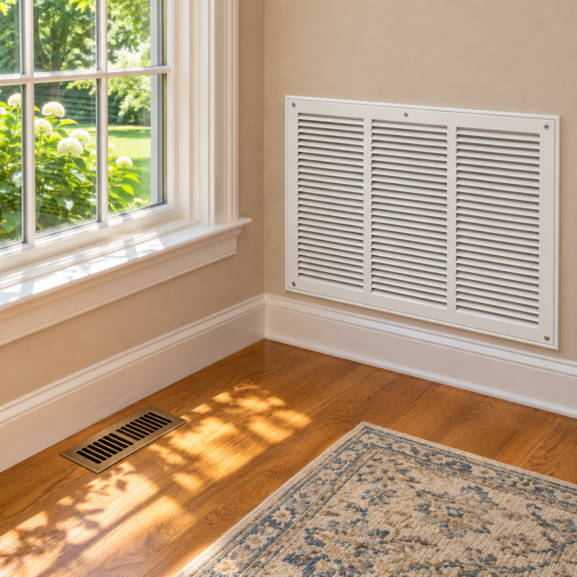
A dusty return grille by itself does not show that ducts contain heavy deposits. Grilles can collect ordinary household dust and can often be cleaned as directed by the equipment or home-care instructions. The EPA's guide to deciding whether to clean air ducts explains the situations it recommends considering.
02 / Set realistic expectations
Will cleaning ducts help allergies or indoor air quality?
It should not be sold as a guaranteed way to relieve allergies, prevent illness or solve every indoor-air concern. Cleaning can remove certain debris from the areas included in the service, but it does not remove every particle source in a home or correct unrelated problems such as outdoor pollutants, moisture, poor ventilation or an unsuitable filter.
If someone has persistent symptoms, do not assume the ducts are the cause. Consider other possible sources and discuss health concerns with an appropriate clinician. For a broader look at what filtration can and cannot do, read whether an air purifier may help with allergies and how to choose an HVAC filter.
03 / Match the service to the problem
Duct cleaning is not the same as inspection or repair
An inspection helps identify a condition and its location. Cleaning removes selected debris from the parts named in the scope. Neither service automatically seals leaks, restores damaged insulation, corrects poor airflow or repairs an HVAC component. Ask the provider to separate these tasks and prices.
If rooms have uneven temperatures, duct cleaning may not address the cause. See possible reasons temperatures vary between rooms. If a provider recommends sealing or replacing ducts, ask what evidence supports that work; our guide to duct sealing versus duct replacement covers questions to discuss.
For the inspection process and what to ask a technician, read what happens during a professional duct inspection.
04 / Compare the scope
Questions to ask before hiring a duct-cleaning service
- What specific condition did you find, and can you show me the area before work begins?
- Which supply and return ducts, registers and HVAC components are included in the written price?
- Are the blower, coil, drain pan or other equipment components excluded or priced separately?
- How will debris be contained and the home protected during the work?
- Will you use a chemical biocide, sealant, fragrance or other treatment? If so, what product, why is it needed, and what are its instructions and limitations?
- Does the quoted price cover the full described system, or can the price change based on the number of vents or access conditions?
- Will I receive a written record or photos of the inspected areas and completed work?
Be cautious of a claim that duct cleaning will cure allergies, prevent health problems, or is urgently needed without showing a specific condition. Ask for the evidence, scope, total price and any optional treatment in writing before agreeing.
Frequently asked questions
How often should air ducts be cleaned?
There is no universal interval that applies to every home. The EPA recommends considering cleaning as needed based on the system's condition rather than treating it as a fixed routine service. Ask for an inspection if you see a specific concern.
Does dust on an air vent mean the ducts need cleaning?
No. Dust can collect on a grille during normal use and does not by itself prove that there are heavy deposits inside the ducts. Clean accessible grilles as appropriate and ask for evidence of a problem inside the system before buying a larger service.
Can duct cleaning cure allergies?
No service can guarantee that result. Allergies can have many indoor and outdoor triggers, and duct cleaning is not a proven treatment for allergy symptoms. Consider other sources and consult a healthcare professional about persistent symptoms.
Does duct cleaning include the furnace, blower or AC coil?
Not automatically. Providers define their scopes differently. Ask which ducts and HVAC components are included, what costs extra and whether cleaning a component is appropriate for its material and condition.
Should I allow a chemical treatment inside my ducts?
Ask why it is proposed, which product will be used, whether it is intended for that application and what precautions apply. Do not assume a sanitizer or fragrance is necessary just because duct cleaning is being performed.
This article is general information, not a diagnosis of contamination or a recommendation to clean a particular home. Ask a qualified professional to inspect the system and explain the evidence and scope before work begins.