No products in the cart.

Before you book
Ask who will diagnose the problem, what the visit costs, and what you’ll receive in writing
Before scheduling AC repair, confirm the contractor serves your area and system type, ask about diagnostic and after-hours fees, and find out whether you’ll get an itemized estimate before work begins. Verify applicable local credentials and insurance, compare warranty terms, and don’t authorize work you don’t understand.
When an air conditioner stops cooling, it is tempting to book the first available appointment. A few specific questions can help you understand the visit, compare proposals fairly, and avoid surprises—without trying to diagnose or repair electrical or refrigerant components yourself.

Prepare the details
Gather a few details before contacting a contractor
A clear description helps the office decide whether the company handles your equipment and what kind of appointment to schedule. You do not need to identify the failed part. Note what you have observed and let the technician inspect the system.
- What type of system you have, if known: central AC, ductless mini-split, heat pump, or another setup.
- When the issue began and whether it is constant or intermittent.
- What you notice: warm air, weak airflow, unusual noise, water near the indoor unit, or a thermostat message.
- Any recent service, recurring problems, or known warranty coverage.
- Your town or ZIP code, preferred appointment window, and whether you need after-hours service.
If your AC is running but not cooling, you can review these basic, low-risk checks for an AC that is not cooling while you arrange service. Don’t remove equipment panels or handle wiring or refrigerant to gather more information.
Check the fit
Confirm the contractor works on your system and in your area
Service coverage and requirements can vary across New York State and between municipalities. Ask direct questions rather than assuming that a company serves your location or works on every make and system type.
Questions to ask
- “Do you service my town and this type and brand of AC?”
- “Who will come to the appointment, and are they your employee or a subcontractor?”
- “What licenses, registrations, or permits apply to this work where I live, and can you provide the relevant details?”
- “Can you provide current proof of liability insurance and, where applicable, workers’ compensation coverage?”
- “If refrigerant work is needed, will the technician have the required EPA Section 608 certification?”
Requirements depend on the location and scope of work. Check applicable rules with your local building or licensing department, and confirm insurance documentation with the issuing insurer if you need to verify it. For refrigerant handling, the U.S. EPA explains its Section 608 technician certification program.
Understand the visit
Ask what the diagnostic appointment includes—and what it costs
A service-call fee may cover the visit or initial diagnosis, but companies define fees differently. Clarify the terms before confirming the appointment, especially for evenings, weekends, holidays, or urgent calls.
| Ask about | What to clarify |
|---|---|
| Diagnostic or service fee | Exact amount, what it covers, and whether it changes by time or day. |
| Applying the fee | Whether any portion is credited toward an approved repair, and any conditions. |
| Inspection scope | What checks are included and whether additional testing has a separate charge. |
| Approval before work | Whether you will receive the diagnosis and a written price before any repair begins. |
| If you decline | What you owe if you choose not to proceed with the proposed repair. |
Compare the proposal
Request a diagnosis and itemized estimate before authorizing repairs
Ask the technician to explain what they found, how they tested it, and how the proposed work addresses the problem. A useful written estimate identifies the work and its price clearly enough for you to understand what you are approving.
- The diagnosed issue and the observations or test results supporting it.
- Parts, labor, diagnostic charges, additional fees, and the total expected price.
- Whether the quoted amount can change, and how you will be asked to approve additional work.
- Expected timing, parts availability, and any follow-up visit that may be needed.
- Warranty coverage for the part and labor, including duration, exclusions, and who handles a claim.
- Any maintenance or operating advice that is specific to the diagnosed issue.
If the technician recommends replacement, ask for a separate written proposal and the reasons repair is not being offered or recommended. Compare the scope, warranty, system sizing, and installation details—not only the headline price. This guide can help you compare AC repair and replacement options.
Take your time
Notice when an explanation or estimate is too vague
One warning sign alone does not prove misconduct, but you should feel able to ask questions and decide without undue pressure. Pause and seek another opinion when a provider will not explain the diagnosis, refuses to put important terms in writing, or insists on immediate approval for a costly repair without a clear reason.
Pause if you hear or see:
- “You must approve this now,” without an explanation of the urgency.
- A broad recommendation to replace the whole system without a documented diagnosis or written scope.
- A price that changes substantially after arrival without your approval.
- A request to bypass a safety device, ignore a burning smell, or keep resetting a breaker.
- Unclear business identity, missing paperwork you reasonably requested, or payment terms that were not disclosed beforehand.
For room-to-room comfort complaints, ask whether the technician evaluated airflow and the distribution system rather than assuming the AC equipment is the only cause. Our guide to uneven temperatures and possible ductwork causes explains other factors to consider. For a deeper evaluation, learn what happens during a professional duct inspection.
ABV directory
A Buffalo-area directory listing to verify directly
The directory includes a Buffalo-area business listing categorized under air conditioning. Treat it as a starting point for your own checks, not as a recommendation or confirmation that the business currently offers AC repair.
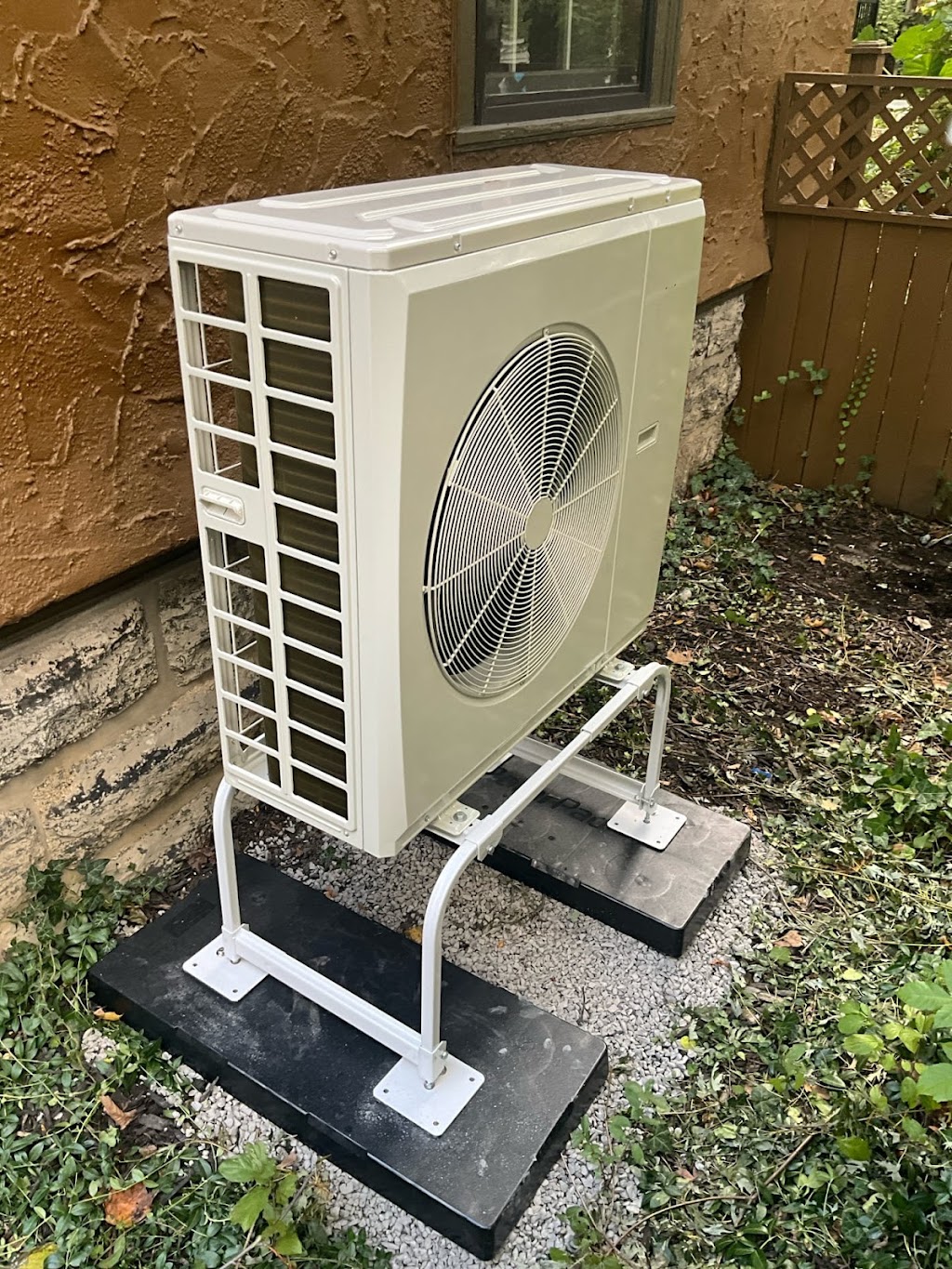 Directory listing · Buffalo
Cellino Plumbing, Heating, Cooling & Electric
View listing details
Please verify before booking: the listing is marked “Not verified” and mentions AC installation, but does not clearly confirm current AC repair availability. Contact the business directly to confirm repair services, your exact service area, applicable credentials and insurance, diagnostic fees, and warranty terms. ABV directory inclusion is not an endorsement.
Keep this checklist
Before you book: a quick contractor checklist
- Service fit: confirms your location, equipment type, and brand.
- Credentials: explains which local requirements apply and can provide relevant details and insurance documentation.
- Visit terms: states the diagnostic fee, included checks, and after-hours charges.
- Clear approval: provides a diagnosis and written estimate before repair work.
- Warranty: explains parts and labor coverage in plain language.
- No pressure: gives you time to review the proposal and ask questions.
Common questions
Frequently asked questions
Should I get more than one AC repair estimate?
For a major or costly repair, a second opinion can help you compare diagnoses and scope. Ask each contractor to document what they tested and avoid comparing prices without checking whether the proposals include the same work.
What should an AC repair estimate include?
It should clearly describe the diagnosed problem, proposed work, parts and labor, fees, total expected cost, possible changes, timing, and warranty terms. Ask the contractor to clarify anything you cannot readily understand.
Do HVAC licensing requirements vary across New York?
Requirements can depend on the municipality and the kind of work. Ask the contractor which local license, registration, or permit requirements apply, then confirm with the relevant local department when needed.
What should I do if the AC smells like it is burning or keeps tripping a breaker?
Stop using the system and do not keep resetting the breaker or open electrical panels. If there is smoke, fire, or immediate danger, leave the area and contact emergency services. Otherwise, arrange qualified service and follow any applicable shutoff instructions only if you can do so safely.