
No products in the cart.
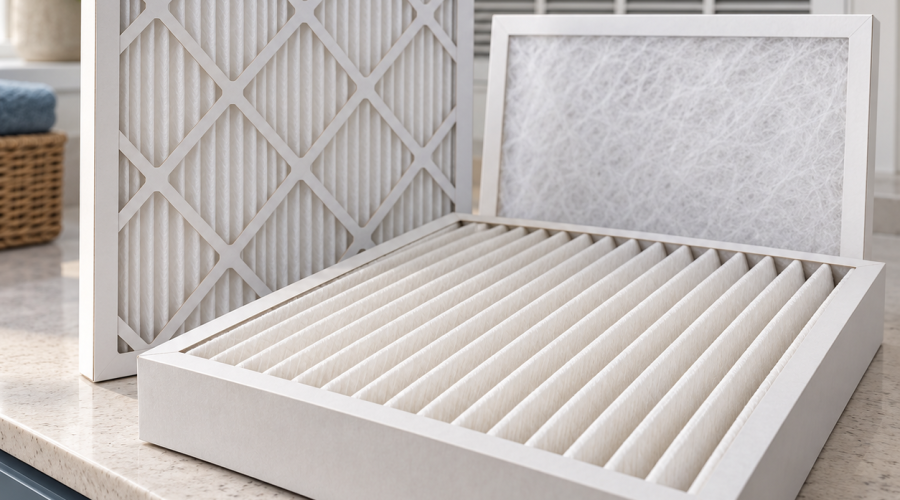
The short answer
Choose the right size and a rating your HVAC system is designed to handle
Start with the filter type and dimensions specified for your equipment. Then choose a MERV rating within the manufacturer’s recommended range. A higher rating is not automatically better if the filter restricts airflow or does not fit the system. Replace or clean it on the schedule in your owner’s manual, adjusting for actual conditions in your home.
The filter that works best for your home depends on the HVAC equipment, the filter slot, and what you want to capture from the air. Matching those details matters more than buying the thickest or highest-rated filter on the shelf.
Start with your equipment
First, identify which kind of filter your system uses
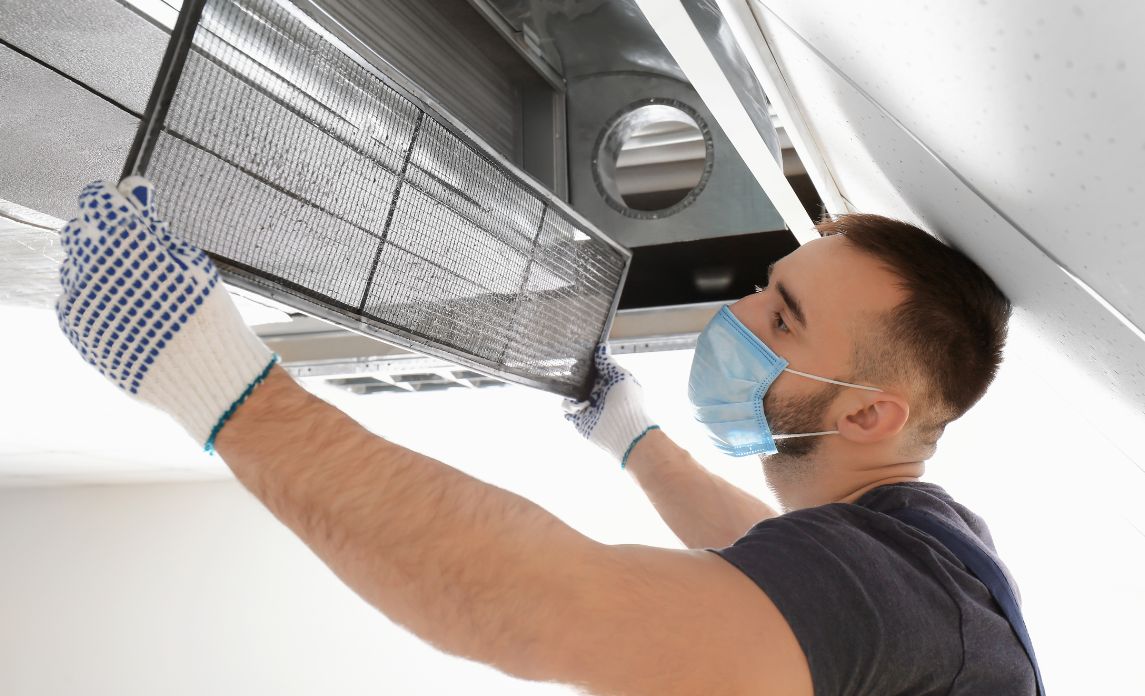
“HVAC filter” can mean different things depending on the setup. A central furnace or air handler typically uses a replaceable filter in a return grille or near the equipment. A ductless mini-split often has reusable screens behind the indoor-unit cover, which are cleaned according to its manual rather than swapped for a standard pleated filter.
If you are unsure, check the equipment manual, existing filter label, or ask a technician to show you the correct location and type. Do not remove service panels or reach into equipment to identify a filter.
Fit comes first
Match the filter dimensions and thickness exactly
For a replaceable central-system filter, use the size printed on the current filter or listed in the equipment documentation. Nominal dimensions can differ slightly from actual measurements, so look for the label before measuring an old filter. Confirm that the slot accepts the filter’s thickness.
- Choose the specified length, width, and thickness.
- Make sure the filter sits flat and covers the opening without bending or forcing it.
- Follow the airflow arrow on the frame; it generally points toward the blower or air handler.
- If the old filter is missing, the label is unreadable, or the slot has been modified, ask a technician to confirm the correct fit.
A loose filter can let air bypass the filter media, while a filter that does not fit can interfere with airflow. If you notice weak airflow or a comfort problem after changing filters, do not keep experimenting with thicker or denser products. These guides cover other possible causes of an AC that is not cooling and uneven temperatures between rooms.
Compare the rating
Use MERV as a comparison—not a one-number answer
MERV, or Minimum Efficiency Reporting Value, is a standardized way to compare how effectively HVAC filters capture particles across different size ranges in test conditions. It can help narrow your options, but the rating alone does not tell you whether a filter is suitable for your particular furnace or air handler.
Before moving to a higher MERV rating
Check the equipment manual or manufacturer’s specifications for an approved filter range. A denser filter can add airflow resistance in some systems. If compatibility is unclear, ask an HVAC technician to check the filter and system rather than guessing.
Don’t rely on claims such as “higher is always healthier” or assume that one rating will remove every indoor-air concern. Filter performance depends on the media, fit, airflow, and how the system is designed to operate.
Consider your household
Balance everyday dust, pets, allergies, and airflow
Think about the particles you want to manage, but keep the equipment’s approved range as the boundary. A compatible pleated filter may suit some homes seeking more particle capture than a basic filter. Homes with pets, frequent dust, or construction nearby may need closer monitoring and more frequent replacement—not necessarily a higher rating.
| Your priority | What to consider | A useful next step |
|---|---|---|
| Routine dust | A correctly sized filter within the system’s specified range. | Check the filter monthly at first and follow the manual’s replacement guidance. |
| Pets or heavier dust | Hair and dust can load a filter sooner; a more restrictive rating is not automatically the answer. | Inspect more often and replace when dirty or as directed by the manufacturer. |
| Allergy concerns | Only particles that pass through the HVAC filter are addressed; settled allergens and their sources remain. | Check filter compatibility and consider other source-control steps; an air purifier is a separate option. |
| Smoke or odors | Particle filters do not necessarily remove gases or odors; some products add a sorbent layer with its own limits. | Address the source and ventilation where appropriate, and review product claims carefully. |
An HVAC filter is one part of indoor-air management, not a medical treatment or a guarantee of symptom relief. If symptoms persist, consult a qualified health professional. For general filter upkeep before colder weather, see how to prepare a New York home for heating season.
Choose and maintain
Know the basic filter options and when to change them
- Disposable fiberglass: often intended for basic filtration and low resistance; use only if it matches the equipment requirements.
- Disposable pleated: available in different ratings and thicknesses; confirm both the approved rating and the exact slot size.
- Reusable or washable: clean and fully dry only as directed by the equipment or filter manufacturer. Washable does not automatically mean more effective.
There is no single replacement interval that fits every home. Run time, dust, pets, renovations, filter design, and the system manufacturer’s instructions all matter. Start by checking a new filter monthly so you can learn how quickly it loads in your home, then follow the manual and replace it when due or visibly dirty.
For a central system, turn the equipment off at the thermostat before changing a filter if the manufacturer’s instructions call for it. Use the correct access point and avoid electrical compartments. If a filter is wet, unusually dirty very quickly, difficult to remove, or followed by ice, unusual noise, or weak airflow, arrange qualified service instead of reaching inside the equipment.
Know when to get help
Get help if the right filter or airflow is uncertain
Ask a licensed or otherwise locally qualified HVAC professional to confirm filter compatibility if the system documentation is missing, the return opening looks altered, or the recommended filter seems to reduce airflow. A technician can also check for other causes rather than assuming the filter is responsible.
If your furnace is not heating, a filter may be one basic item to check, but it is not the only possible cause. Follow the safe, non-invasive steps in what to check before calling for furnace service; stop and call a professional for gas, electrical, burning-smell, or repeated-breaker-trip concerns.
ABV directory
An indoor-air-quality listing to verify for your needs
The ABV Indoor Air Quality category includes a New York listing for air-quality testing and consulting. That may be relevant if your concern goes beyond filter choice and you want to ask about an indoor-air assessment. It is not a filter retailer or an HVAC filter recommendation.
 Indoor Air Quality · Brookhaven, NY
Air Quality Insights, LLC
View listing details
Verify before relying on this listing: the listing is marked “Not verified” and describes testing and consulting, not HVAC filter sales or filter compatibility advice. Confirm its current services, service area, qualifications, and fees directly. Directory inclusion is not an endorsement.
Common questions
Frequently asked questions
Is a higher-MERV HVAC filter always better?
No. A higher rating may capture more particles under test conditions, but the filter must also be compatible with your equipment’s airflow requirements. Check the manufacturer’s approved range or ask an HVAC professional.
How often should I replace my HVAC filter?
Follow the equipment or filter manufacturer’s guidance. The interval varies by filter type, system runtime, dust, pets, and other home conditions. Inspecting monthly at first can help you understand how quickly yours loads.
Can I use a thicker filter to improve air quality?
Only if your equipment is designed for that thickness and the filter fits the slot correctly. A thicker filter may have more media area, but compatibility and pressure drop depend on the system design. Confirm before switching.
Do ductless mini-splits use the same filters as furnaces?
Often not. Many ductless indoor units use reusable screens that should be cleaned as directed in the owner’s manual. Check your exact model’s instructions rather than installing a central-system filter.


Pingback: What Happens During a Furnace Tune-Up? A Homeowner’s Guide - ABV