No products in the cart.
Quick answer
Follow how the heat reaches your rooms
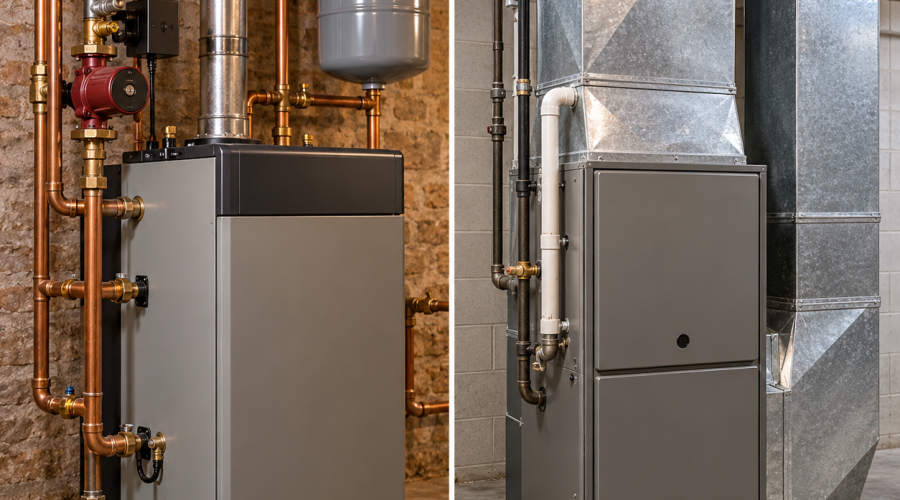
A boiler heats water or creates steam and sends it through pipes to radiators, hydronic baseboards or radiant-floor circuits. A furnace heats air and usually sends it through ducts to supply registers. Look only at the normal room outlets and visible equipment; never open a panel to identify a system.
When you call for heating service, the words "boiler" and "furnace" are not interchangeable. Identifying the system can help you describe the problem and find a provider equipped for the right equipment. The safest first clue is usually the way heat is distributed, not the fuel the equipment uses.
Start with the room
Notice what is delivering heat where you live
Think about what you normally see and feel when the thermostat calls for heat. A boiler-based system warms water or steam that travels through pipes. A furnace warms air that a blower moves through ductwork. These are useful clues, but not every home has a simple one-system layout.
| What you notice | Boiler system | Furnace system |
|---|---|---|
| Room outlets | Radiators, hydronic baseboards or radiant floors are common. | Warm-air supply registers and return grilles are common. |
| How heat moves | Hot water or steam circulates through pipes to heating surfaces. | A blower circulates heated air through ducts. |
| Typical room feel | Heat comes from a radiator, baseboard or floor rather than a stream of warm air from a register. | You may feel warm air at a supply register while the system is running. |
| Fuel source | May use gas, oil, electricity or another energy source. | May also use gas, oil, electricity or another energy source. |
A radiator-shaped unit is not definitive on its own: some room heaters are electric, and a home can have more than one kind of equipment. Likewise, air registers do not prove that a furnace is the heat source; a ducted heat pump or a boiler-connected air handler can also deliver warm air.
Water or steam
What a boiler system usually looks like
A boiler warms water or produces steam, then circulates it through a closed heating loop. In many New York homes, the heat reaches rooms through radiators or baseboard units connected by pipes. Some systems send hot water through tubing beneath the floor. A thermostat may control one area or several zones.
You may see a boiler in a utility room or basement, with pipes leading away from the unit. That is a clue, not an invitation to inspect the inside. A nearby domestic hot-water tank, water heater or plumbing pipe does not automatically identify the space-heating system. If you cannot tell what serves the radiators or baseboards, check the equipment manual or ask the building manager or a qualified heating professional.
Heated air and ducts
What a furnace system usually looks like
A furnace heats air and uses a blower to distribute it through ducts to supply registers. Return grilles carry room air back toward the equipment. A furnace is often installed in a basement, utility closet or attic, and ductwork may be visible near it. Some systems have an accessible filter location, but its presence alone does not identify the equipment or the correct filter.
If you confirm that you have a furnace and it is not heating, use our guide to safe checks before calling for furnace service. It focuses on simple observations and when to stop troubleshooting.
Common exceptions
Why one visible clue may not tell the whole story
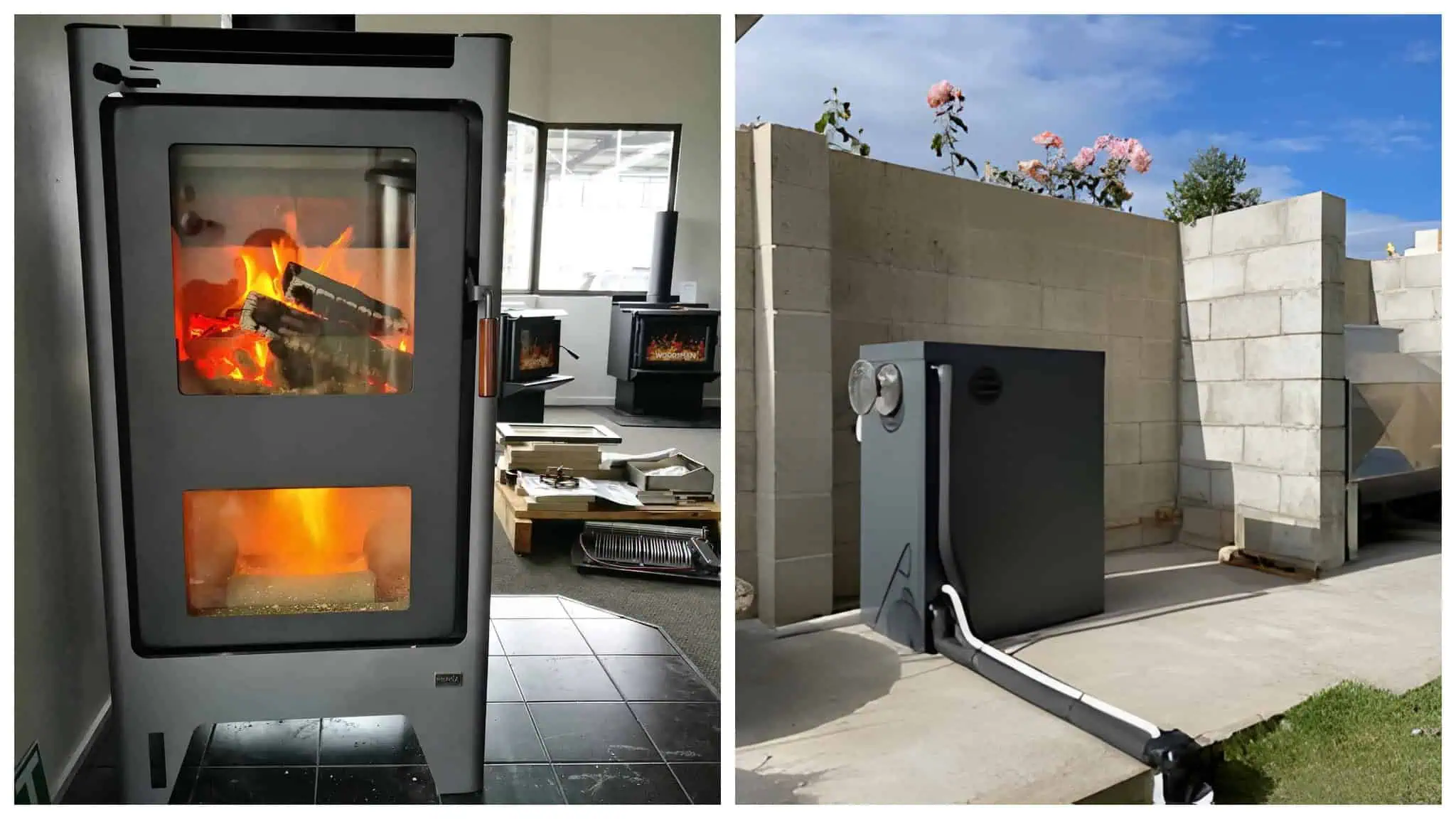
Some boilers heat water that passes through a fan coil or air handler, which then sends warm air through ducts. This is sometimes called a hydro-air arrangement. A house may also have a boiler for one part of the home and a separate furnace, heat pump or other supplemental heater elsewhere.
Fuel is not a reliable shortcut: both boilers and furnaces can use different energy sources. A home may also have a separate water heater that is not connected to room heating. If you are comparing a heat pump with a furnace, our guide to heat pumps and furnaces in New York covers the distinctions without assuming one option fits every home.
Confirm without opening equipment
Use records and normal observations to verify the system
- Observe whether heat normally comes from radiators, baseboards or floor surfaces, or from warm-air registers.
- Look for an owner manual, maintenance record or installation paperwork that names the equipment type and model.
- If the model label is visible without removing a cover, record its information for the service call.
- If you rent, ask the property manager or maintenance team before arranging work.
- When details remain unclear, describe the room outlets and symptoms rather than guessing at the system type.
Make the right service call
Tell the provider what you can observe
You do not need to diagnose the appliance before requesting help. Share the address or service area, the rooms affected, the thermostat setting, what normally delivers heat, when the problem started, and any visible model information. Mention unusual sounds, leaks, odors, repeated shutdowns or an alarm, and say whether you have a boiler, furnace or are not sure.
Ask whether the company services your specific system and model, what the visit includes, the diagnostic fee, and whether you will receive an estimate before additional work begins. For seasonal preparation, see our New York heating-season checklist.
Buffalo directory
A local directory profile to review
The ABV directory includes a Buffalo plumbing and heating profile that mentions furnace checks. Its listing is marked not verified, and the profile does not confirm service for every boiler type or model. Treat it as a starting point for your own checks, not an endorsement.
Buffalo, New York
Joseph Carino Plumbing & HeatingView the ABV directory profile →
Before booking, confirm directly that the provider services your exact equipment, holds any qualifications required for the work, serves your area, and can explain the fees and scope.
Common questions
Boiler vs. furnace: FAQs
Can a home have both a boiler and a furnace?
Yes. A home can have separate systems serving different areas, or supplemental heating equipment added over time. Describe the equipment and rooms separately when you contact a provider.
Does gas mean my system is a furnace?
No. Gas can power a boiler or a furnace. The way heat is distributed to the rooms is a more useful clue than the fuel source.
Do ducts always mean there is a furnace?
No. A heat pump or a boiler-connected air handler can also move warm air through ducts. Check the equipment records or ask a professional if the system type is unclear.
Should I touch a radiator or pipe to check whether it is hot water or steam?
No. Surfaces and steam can burn. Identify the system from normal operation and records, and let a qualified professional inspect equipment or piping.

Pingback: How Often Should a Boiler Be Serviced? Maintenance Guide - ABV
Pingback: One Radiator Is Cold? What to Observe Before Service - ABV