
No products in the cart.
Heat pump costs
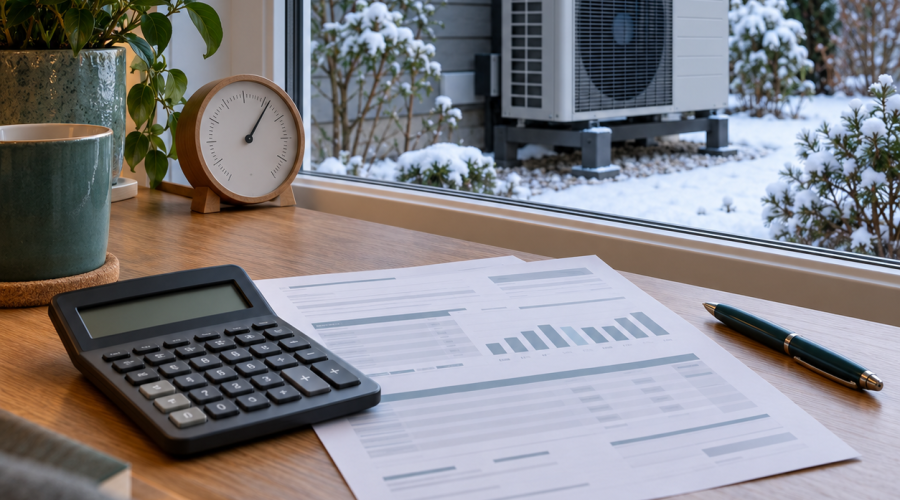
There is no single monthly price to run a heat pump in New York. The bill depends on how much heat the home needs, the system's performance in the weather it experiences, the electricity rate, and whether auxiliary heat runs. A useful comparison makes those assumptions visible instead of promising a fixed saving.
A simple way to think about operating cost
A rough estimate for the electricity used by a heat pump is:
Heating electricity used (kWh) x variable electric rate ($/kWh) = estimated electricity cost
Use the rate that applies to the hours the system runs. Depending on the utility and plan, that may include per-kWh supply and delivery charges, taxes, or time-of-use pricing. Fixed monthly service charges are generally not a marginal cost of running the heat pump, so do not automatically multiply or assign them to the system.
The difficult part is estimating the heat pump's heating electricity. A whole-house meter includes appliances, lighting, hot water, and possibly cooling. Utility usage data or a properly configured system monitor may help isolate heating use; do not open electrical panels or install monitoring equipment yourself.
Factors that can move the bill
| Factor | Why it matters | What to compare |
|---|---|---|
| Electricity rate | Each kWh costs the amount charged under the home's utility plan; some plans vary by time or season. | Use the applicable supply and delivery charges from the bill, not a national average. |
| Outdoor temperature | Heat pump capacity and efficiency change as outdoor conditions change; defrost cycles also affect operation. | Ask for performance at temperatures relevant to your area, including colder winter conditions. |
| Seasonal system performance | The amount of electricity needed to deliver heat depends on the equipment and its operating conditions. | Compare seasonal performance data and the assumptions used in each estimate. |
| Home heat loss | Insulation, air leakage, windows, and room layout affect how much heat the home needs. | Ask whether the estimate considered the home's condition and heating load. |
| Auxiliary or backup heat | Electric resistance backup or another supplemental system can change total energy use and cost. | Ask when backup heat is expected to operate and whether its use is included in the projection. |
| Distribution and controls | Duct condition, zoning, thermostat settings, and equipment setup influence how heat reaches the rooms. | Compare duct or indoor-unit scope, control strategy, and commissioning assumptions. |
Electric rates and utility plans
New York electricity prices vary by utility, rate plan, and billing period. A projection based on a generic cents-per-kWh figure may not match your household's charges. Check the variable supply and delivery rates on your bill, and ask the utility whether time-of-use or other rate options are available for your address.
If a proposal gives one annual operating-cost figure, ask which electric rate it used, whether that rate is expected to change by time of day, and whether the calculation includes backup heat. Ask for the assumptions in writing so you can update them if your rate changes.
Cold weather and auxiliary heat
Cold outdoor temperatures can increase the home's heat demand while changing the heat pump's output and efficiency. Depending on the system design, controls, and weather, auxiliary heat may help meet the load. Electric resistance backup uses electricity differently from the heat pump itself, so ask whether the operating-cost estimate models it separately.
Defrost operation can be a normal part of winter performance. For more context, read why a heat pump may run in cold weather. The expected amount of backup heat should come from the home's design and equipment, not a blanket assumption that it will never run.
Equipment sizing and installation affect the estimate
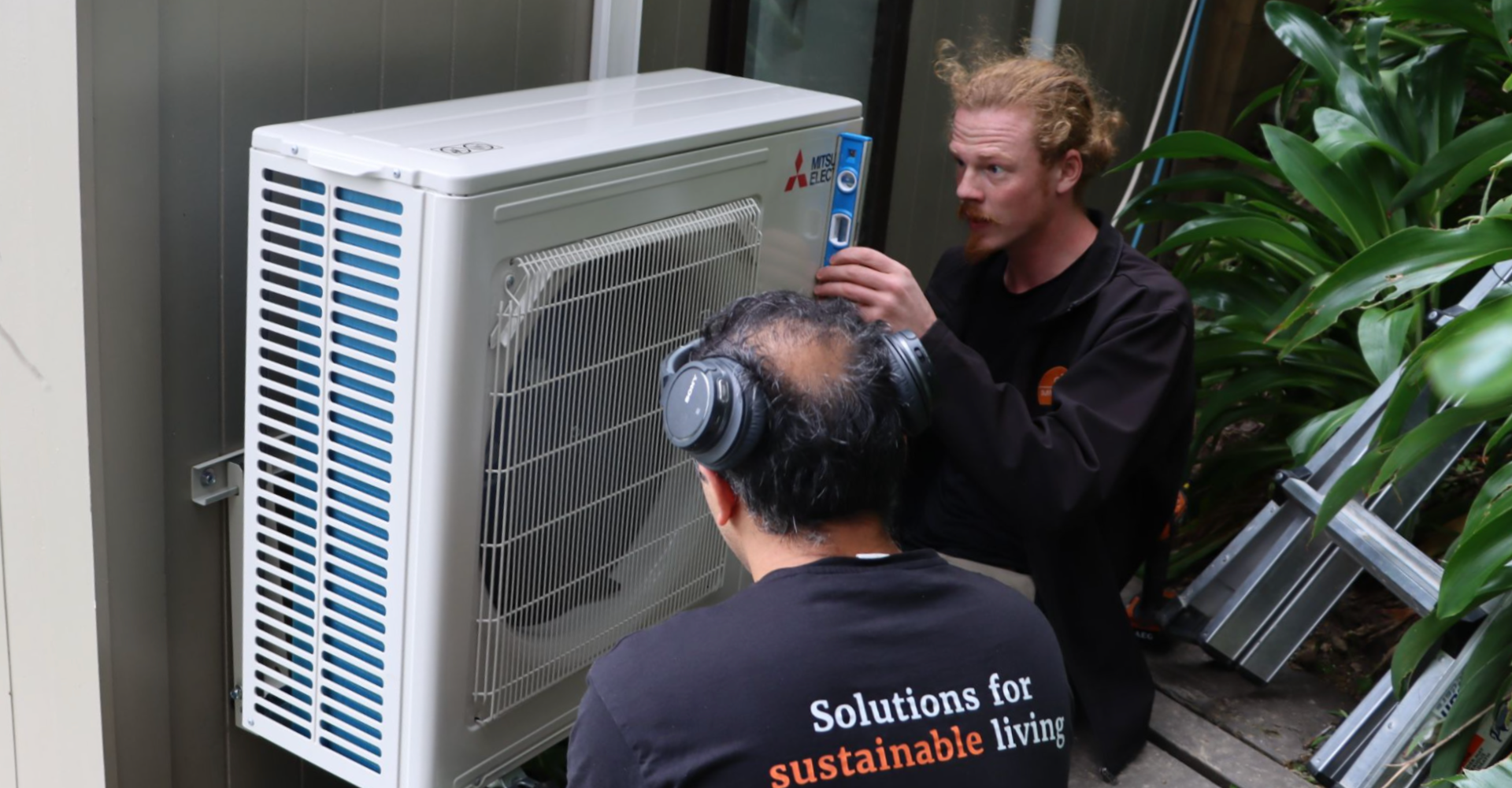
Projected cost is only as useful as the assumptions behind the system design. Ask how the contractor assessed the home's heating load, selected capacity, considered duct losses or indoor-unit zones, and evaluated backup heat. A proposal should explain what is included and what conditions could change the projection.
Our guide to heat pump sizing and installation estimates lists related questions to ask before choosing a system. If you are comparing a heat pump with a furnace, see the factors New York homeowners can compare; neither system is automatically less expensive in every home.
Home improvements can also change heating demand over time. For seasonal maintenance and preparation ideas, see how to prepare a New York home for heating season.
Questions to ask when comparing cost projections
- What electricity rate and rate plan were used?
- What outdoor temperatures and seasonal performance assumptions are included?
- How much auxiliary or backup heat is modeled, and under what conditions?
- Was the home's heating load assessed, and what distribution or duct conditions were considered?
- Does the projection cover heating only, or does it combine heating and cooling?
- Can the estimate show a range or more than one scenario instead of a single promised number?
Use estimates as planning tools, not guarantees. Actual energy use depends on the weather, utility rates, household preferences, and how the system is installed and operated.
Frequently asked questions
Can I estimate cost from my whole-house electric bill?
Not precisely. The bill includes other electrical uses and may include fixed charges. Heating-specific meter data or a carefully defined estimate is more useful for isolating heat pump cost.
Does a heat pump always cost less to run than a furnace?
No fixed answer applies to every home. Compare the local prices of electricity and fuel, equipment performance, backup heat use, installation design, and the home's heating demand.
Will a heat pump use the same amount of electricity every winter?
No. Outdoor temperatures, heating demand, rate changes, controls, and auxiliary heat use can all change seasonal consumption.