
No products in the cart.

Quick answer
Ask for a home-specific load calculation and a detailed written proposal
A heat pump should be selected for the home's heating and cooling loads, the local winter design conditions, and the equipment's capacity at those temperatures. Do not rely on square footage or the old system's size alone. Ask each contractor to explain the calculation, backup-heat plan, installation scope and exclusions so you can compare like with like.
A heat-pump estimate is more than a model and a price. The contractor needs to understand how your New York home gains and loses heat, what the existing ducts and electrical service can support, and how the proposed equipment will perform in cold weather. These questions can help you compare proposals without assuming that one size or system design fits every home.
Start with the house
How will you calculate the right size for this home?
Ask the contractor what method they use to estimate heating and cooling loads. A recognized residential load calculation, such as ACCA Manual J or an equivalent method, considers more than floor area. Depending on the home, inputs can include insulation, air leakage, windows, orientation, ceiling height, foundation or basement conditions, room layout and local outdoor design temperatures.
For a ducted system, ask whether the proposal includes room-by-room loads and how the existing ductwork can deliver the required airflow. For a ductless system, ask how the contractor decided where indoor units should go and how room layout, closed doors and isolated spaces affect comfort. If the home has persistent hot or cold rooms, it is worth identifying whether the cause may be distribution or the building envelope before assuming a larger heat pump will solve it. Our guides to uneven temperatures between rooms and what happens during a professional duct inspection explain what else may need attention.
Be cautious of a size recommendation based only on square footage, a quick visual estimate or the capacity of the old furnace or air conditioner. Existing equipment may have been oversized, undersized or installed for different conditions. Inverter-driven equipment can modulate output, so sizing should account for the specific model's operating range and controls rather than rely on a blanket rule about oversizing.
Check winter performance
What will the equipment deliver at local winter temperatures?
Heat-pump capacity and efficiency can change as outdoor temperatures fall. Ask for the proposed indoor and outdoor model numbers, the manufacturer's performance data at relevant low temperatures, and the home's estimated heat loss at the contractor's design condition. The nominal capacity shown in a model name does not by itself tell you how much heat the equipment can provide on a cold New York day.
Ask the installer to explain whether the selected unit is expected to meet the calculated load on its own at the design condition or whether supplemental heat is part of the plan. Supplemental heat may be electric resistance, an existing furnace in a dual-fuel arrangement, or another approved configuration. The choice affects controls, operating costs, comfort and the electrical work required; there is no single backup arrangement that is right for every home.
| Ask the contractor | What the answer should clarify |
|---|---|
| What outdoor design temperature did you use? | The weather condition used to estimate the home's peak heating load for this location. |
| How much capacity does this model provide at that temperature? | Model-specific low-temperature output, not just the nominal rating or product family. |
| When can backup heat operate, and how is it controlled? | The role of supplemental heat, the control settings and what to expect during cold periods. |
| How did you estimate operating costs? | The assumptions about usage, utility rates, equipment performance and backup-heat use. |
If you are comparing system types as well as installation proposals, our heat pump versus furnace guide for New York homes covers factors such as climate, existing equipment and household priorities without declaring one option best for every property.
Review the existing setup
What may need to change beyond the heat-pump unit?
A replacement can involve work that is easy to miss in a headline price. Ask the contractor to assess the existing distribution system and electrical service, then list any needed modifications in writing. The right scope depends on the home and selected equipment.
- Ducts: Are the ducts sized and sealed for the proposed airflow? Does the estimate include repairs, insulation, balancing or new returns?
- Electrical: Does the equipment require a new circuit, disconnect, wiring or panel work? Who will determine whether the existing service is adequate?
- Indoor units: For a ductless or mixed system, where will each unit go, and how will line sets, condensate drainage and controls be routed?
- Outdoor unit: Where will it sit, and how will the location account for service access, airflow, snow, drainage, vibration and sound?
- Existing heat: Will the old furnace or boiler be removed, retained for backup, or disconnected? How will the controls prevent incompatible or inefficient operation?
- Permits and inspections: Which local permits or inspections apply, and are the fees and coordination included in the proposal?
Do not assume ductwork is suitable because it served the former system, or that a ductless layout will heat every room equally with one indoor unit. Ask the contractor to explain any comfort limitations and options before approving the design.
Make the quote readable
What should a written heat-pump estimate include?
Request a proposal with enough detail to compare with another contractor's offer. It should identify the proposed equipment and installation scope, explain the sizing basis, and separate included work from optional items and exclusions.
| Estimate item | Details to look for |
|---|---|
| Sizing and design | Load-calculation summary, design assumptions, equipment capacity at low temperatures, and the backup-heat plan. |
| Equipment | Indoor and outdoor model numbers, matched components, controls and stated performance ratings. |
| Installation scope | Removal and disposal, line sets, pad or mounting, condensate handling, duct or electrical changes, startup and system testing. |
| Price and exclusions | Itemized total, permit or inspection fees, taxes where applicable, optional work, allowances and conditions that could change the price. |
| Protection and support | Manufacturer and labor warranties, registration steps, maintenance requirements, service contact and expected schedule. |
Use this checklist
Questions to ask before choosing an installer
- Will you provide the load-calculation method and the key assumptions used for my home?
- What capacity will this exact model provide at the local heating design temperature?
- Will supplemental heat be needed? How is it controlled, and what electrical work does it require?
- Have you checked the ductwork, electrical service, thermostat and proposed indoor- and outdoor-unit locations?
- Which removal, modifications, permits, inspections, startup tests and cleanup are included in the price?
- What could change the quoted price, and will I receive approval before any additional work begins?
- What are the parts, equipment and labor warranty terms, and who handles service after installation?
- What licensing or trade qualifications apply to the work in my municipality, and can you provide proof of insurance?
For major work, comparing two or more written proposals can help reveal differences in design and scope. Share the same information with each contractor, including plans for future renovations or insulation work, and ask each to identify the assumptions behind any projected savings.
Directory profile
A New York heat-pump installation profile to review
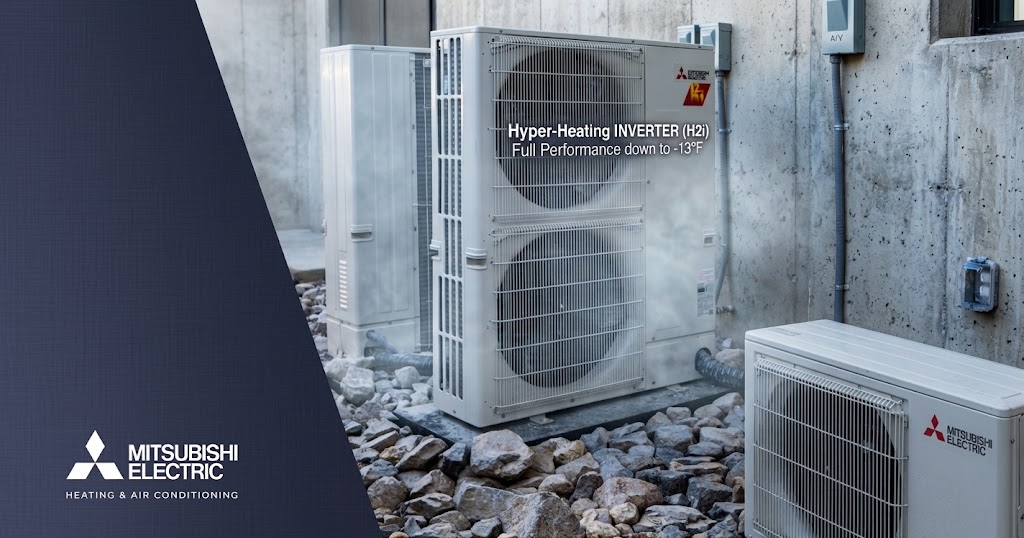
The ABV directory has a Brooklyn profile for Mitsubishi Mini Split Air Conditioner Heat Pump Supply and Installation NYC. Its listing describes ductless heating and cooling and heat-pump installation, making it relevant to readers comparing ductless options in New York City. The profile is marked Not verified, so this is a directory link for research, not an endorsement or confirmation of current service availability.
Brooklyn, New York
Mitsubishi Mini Split Air Conditioner Heat Pump Supply and Installation NYCView the ABV directory profile →
Before requesting an estimate, confirm the provider serves your address and installs the system type you need. Ask about load calculations, permits, licensing, insurance, equipment models, included work and the complete written price.
Common questions
Heat-pump sizing and estimates: FAQs
Can a contractor size a heat pump using only my home's square footage?
Square footage alone does not capture insulation, air leakage, windows, layout, local weather or room-by-room needs. Ask for a documented load calculation and an explanation of the assumptions.
Can I use the size of my existing furnace to choose a heat pump?
Not by itself. The old equipment may have been sized for different conditions or may not have been selected accurately. The contractor should calculate the home's current loads and compare them with the proposed heat pump's model-specific capacity.
Does every New York home need backup heat with a heat pump?
There is no universal answer. It depends on the home's heat loss, local design conditions, the selected model's low-temperature capacity, the owner's comfort goals and the system design. Ask the installer to show how the proposed equipment and backup plan relate to the calculated load.
Why do heat-pump estimates differ so much?
Proposals can use different equipment, load assumptions and scopes. One may include electrical or duct modifications, permits, removal and testing while another leaves them out. Compare model numbers, design basis, included work, exclusions, warranties and total installed price.
Should I accept the lowest estimate?
Price matters, but it is only one part of the decision. First confirm that the proposals are comparable and that the contractor has explained sizing, cold-weather capacity, installation details, qualifications and warranty coverage.