No products in the cart.
Boiler maintenance
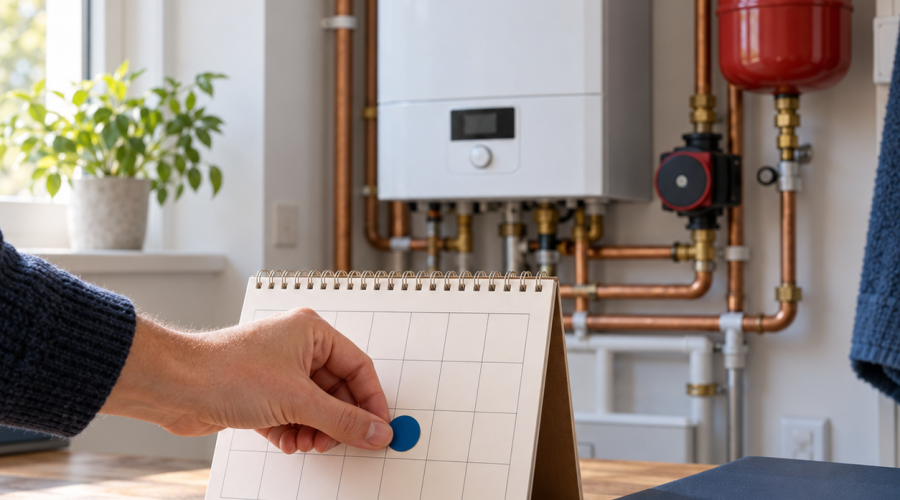
A boiler does not have one universal service schedule. The right interval depends on the manufacturer's instructions, the boiler's fuel and design, how hard it works, and its service history. For many homes, arranging a professional check about once a year is a practical starting point, but your manual and a qualified local technician should guide the final schedule.
How often should a boiler be serviced?
Start with the owner's manual and any maintenance terms attached to the boiler's warranty. If the manufacturer recommends annual professional service, follow that schedule. Even when the manual gives a different interval, ask a licensed heating professional to interpret it for your exact model and installation.
An annual visit before the heating season is a common planning rhythm for residential boilers because it gives a technician time to inspect the equipment before sustained winter use. It is a general maintenance guideline, not a guarantee that every boiler needs the same work every year or that annual service prevents every breakdown.
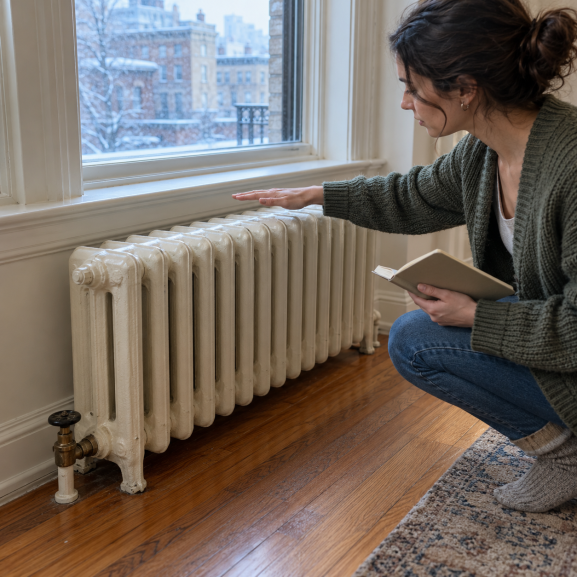
Not sure whether your home has a boiler or a furnace? A boiler heats water or steam and sends it through radiators, baseboards, or radiant tubing. A furnace heats air and distributes it through ducts. See how to identify your home's heating system before booking service.
What can change the service interval?
A technician may suggest a different schedule after reviewing the equipment and its operating conditions. Factors worth discussing include:
- Manufacturer guidance and warranty: the model's service requirements take priority over generic advice.
- Age and condition: older equipment, corrosion, recurring leaks, or a history of repairs may call for closer monitoring.
- How much the system runs: a boiler that serves a large or drafty home may accumulate more operating hours than one used lightly.
- Fuel and system design: gas, oil, steam, and hot-water systems have different components and service needs.
- Water quality and system history: mineral buildup, repeated air problems, or prior water treatment can affect what should be checked.
- Symptoms between visits: repeated shutdowns, unusual noises, uneven heat, or changing pressure deserve attention instead of waiting for the next routine appointment.
If the boiler has stopped heating, do not assume furnace-specific troubleshooting applies. Note what the system is doing and share those observations with a qualified boiler technician. Do not open a boiler cabinet or attempt work on gas, electrical, combustion, or pressure components.
What may be included in a professional boiler service?
The exact scope varies by boiler, fuel, and company. A visit may include some of the following, when applicable to the equipment and safe to perform:
- Confirming the boiler model, visible condition, and reported symptoms.
- Inspecting the burner, heat exchanger, and accessible combustion components; cleaning only where the manufacturer's procedure calls for it.
- Checking combustion and venting, with measurements appropriate to the appliance and service scope.
- Reviewing controls, thermostat response, ignition, and operating sequence.
- Inspecting accessible piping and connections for signs of leakage, corrosion, or damage.
- Checking relevant safety controls and documenting any failed or questionable components.
- For hot-water systems, reviewing circulation and expansion-related components as appropriate.
- For steam systems, checking applicable water-level and low-water safety components according to the boiler instructions.
- Explaining findings, recommended repairs, and any limits of the inspection.
A tune-up is not automatically a repair, a chimney evaluation, or a complete system assessment. Ask what is included in the quoted visit, what would cost extra, and whether combustion testing or cleaning is part of the service. The maintenance checks described in our New York heating-season preparation guide can also help you plan what to discuss before colder weather.
When should you call before the next scheduled service?
Arrange an assessment sooner if the boiler repeatedly shuts down, struggles to heat the home, makes new banging or rumbling sounds, shows signs of water leakage, or has visible soot or corrosion. These symptoms do not identify one specific fault, and some can involve safety concerns. Avoid removing panels or adjusting gas, electrical, pressure, or combustion parts.
If you smell gas, leave the building without operating switches or appliances, then contact your gas utility or emergency services from a safe location. If a carbon-monoxide alarm sounds, get everyone outside and call emergency services; do not re-enter until responders say it is safe. Keep boiler-specific troubleshooting and repairs with a qualified professional.
Plan the next visit around your system
Keep the boiler's model information, prior invoices, and notes about recurring symptoms together. Before winter, book the service interval recommended for your unit, confirm the scope in writing, and ask the technician to record any changes that could affect the next visit. If you are comparing local providers, browse the HVAC listings and confirm directly that a company services your boiler type and fuel before scheduling.
Frequently asked questions
Is once a year always required?
Not for every model or situation. Use the manufacturer's instructions and warranty terms, then ask a qualified technician to recommend an interval for your boiler and its operating conditions.
Should a boiler be serviced before winter?
Scheduling before the heating season is often convenient because the system can be checked before heavy use. Follow the interval specified for your boiler, and do not wait for a routine appointment if a fault or warning sign appears.
Can I clean or tune the boiler myself?
Keep homeowner tasks to those explicitly described in the user manual. Combustion, gas, electrical, venting, and pressure-related work should be handled by a qualified professional.