No products in the cart.
Radiator troubleshooting
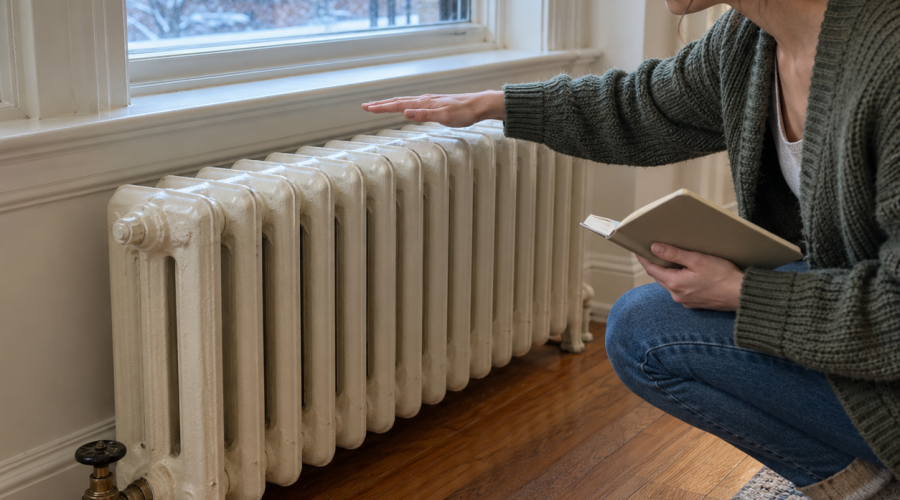
When one radiator stays cold while the rest of the home heats, the pattern is useful information, but it does not identify the cause. Steam and hot-water systems use different components, and several issues can look alike from the room. Observe what is happening without touching or adjusting hot equipment, then share those details with a qualified heating professional.
Start by noticing the pattern
Before calling, note whether the problem affects one radiator, several radiators, or an entire floor. Also note whether other rooms are reaching their usual comfort level during a normal heating cycle. These comparisons help distinguish an isolated symptom from a broader heating interruption, but they are not a diagnosis.
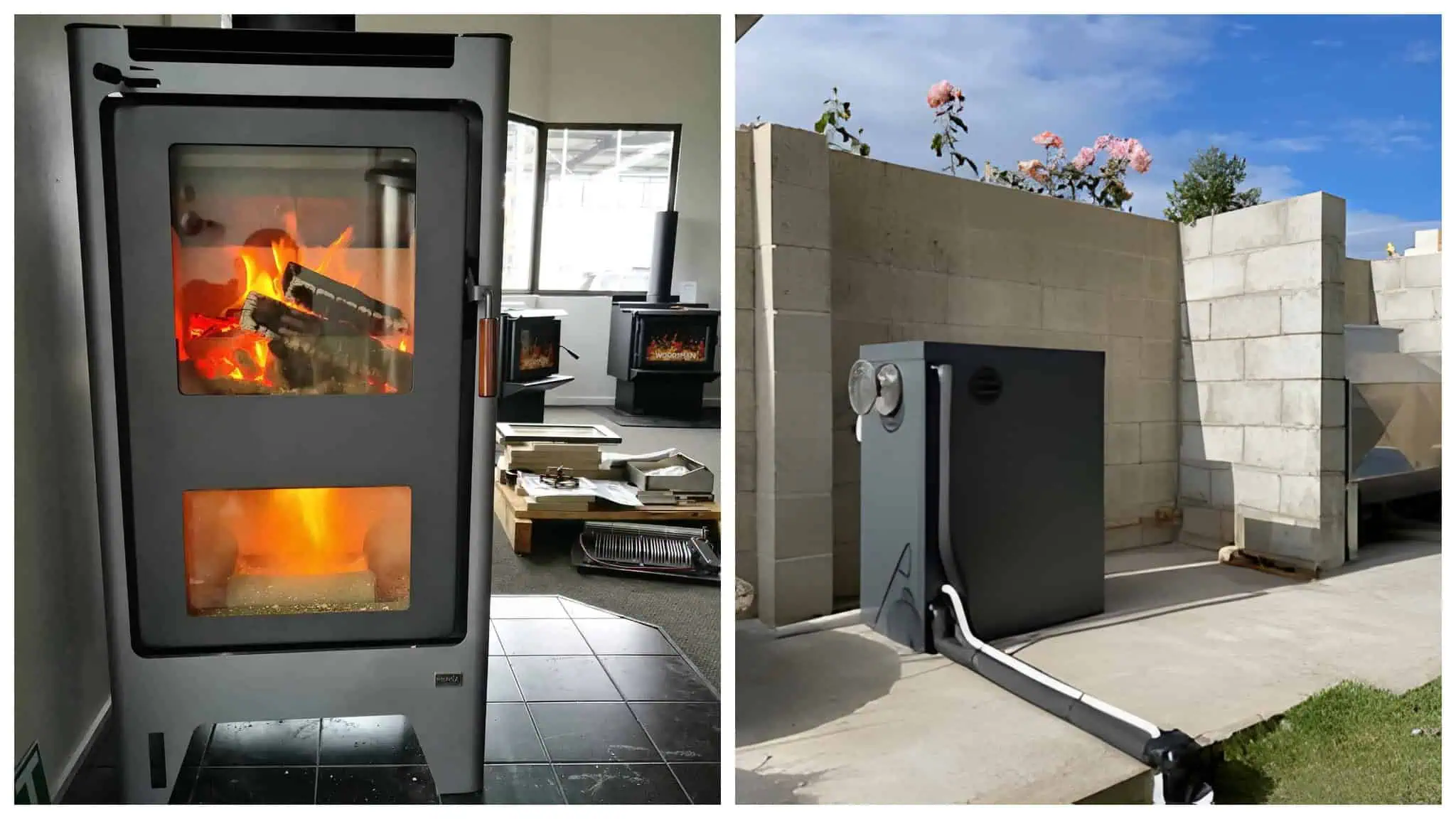
If you are unsure whether your home has steam radiators, hot-water radiators, or a furnace with ducts, begin with this guide to identifying your heating system. A boiler-based system and a forced-air furnace need different troubleshooting and service.
What a single cold radiator might point to
These are broad possibilities, not conclusions. A professional needs to identify the system and inspect the relevant components before recommending work.
- Steam system: air movement, a radiator vent, a valve, or the way steam and condensate move through that branch may be involved.
- Hot-water system: air in the loop, a flow or balancing issue, a valve, or a circulation problem may affect one radiator.
- Several cold radiators: the pattern may involve a shared pipe run, system circulation, controls, or another issue beyond one radiator.
- A room that remains cool despite a radiator that appears to operate: radiator sizing, heat loss, or room airflow may also be relevant.
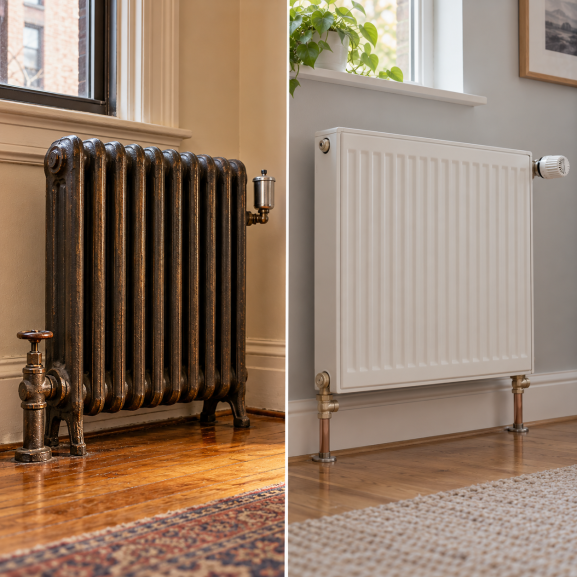
The distinction between steam and hot-water radiators matters because their vents, valves, and operating behavior are not interchangeable. Ask a technician to confirm the system type before any hands-on work. If you are planning maintenance before colder weather, see our New York heating-season preparation guide.
Details to record before you call
- Which radiator is affected? Note the room and whether it is upstairs, downstairs, or at the end of a long run.
- How many are affected? Record whether nearby radiators and other floors seem to heat normally.
- When did it begin? Note whether the issue is constant, intermittent, or only noticed during a particular heating cycle.
- What system do you have? If known, record whether it is steam or hot water, plus any visible boiler make and model information you can read without opening equipment.
- What else have you noticed? Describe new sounds, visible moisture, a room thermostat display, or any recent service visit. Do not operate controls to reproduce the symptom.
These observations can help the company prepare for the visit. They do not require you to inspect hot components or test system pressure.
When to arrange service promptly
Contact a heating professional if the radiator remains cold through normal heating operation, the problem keeps returning, multiple radiators are affected, or you see water around a radiator or boiler. Mention any new banging, persistent hissing, or changes in system behavior; sounds can have different causes and should not be used alone to identify a fault.
If you smell gas, leave the building without operating switches or appliances and call the gas utility or emergency services from a safe location. If a carbon-monoxide alarm sounds, get everyone outside and call emergency services; do not re-enter until responders say it is safe.
What to ask when booking
- Do you service residential steam or hot-water radiator systems?
- What should I keep clear or avoid using before the appointment?
- Does the service visit include checking the radiator and the related piping or controls?
- Will you explain the findings and any additional costs before performing repairs?
Frequently asked questions
If other radiators are warm, does that mean the boiler is fine?
Not necessarily. It can suggest that heat is reaching at least part of the system, but it does not confirm that the boiler and all controls are operating correctly.
Should I bleed the radiator?
Do not do this as a first step. Steam and hot-water radiators use different components, and opening a vent or bleeder can expose you to hot steam or water. Ask a qualified technician what is appropriate for your system.
Can a cold radiator be a ductwork problem?
A radiator is part of a boiler-based distribution system, not a forced-air duct. If you have both systems or are unsure which equipment serves the room, tell the service provider what you can identify and ask them to confirm.